
Stem Cell Therapy for Parkinson's Disease
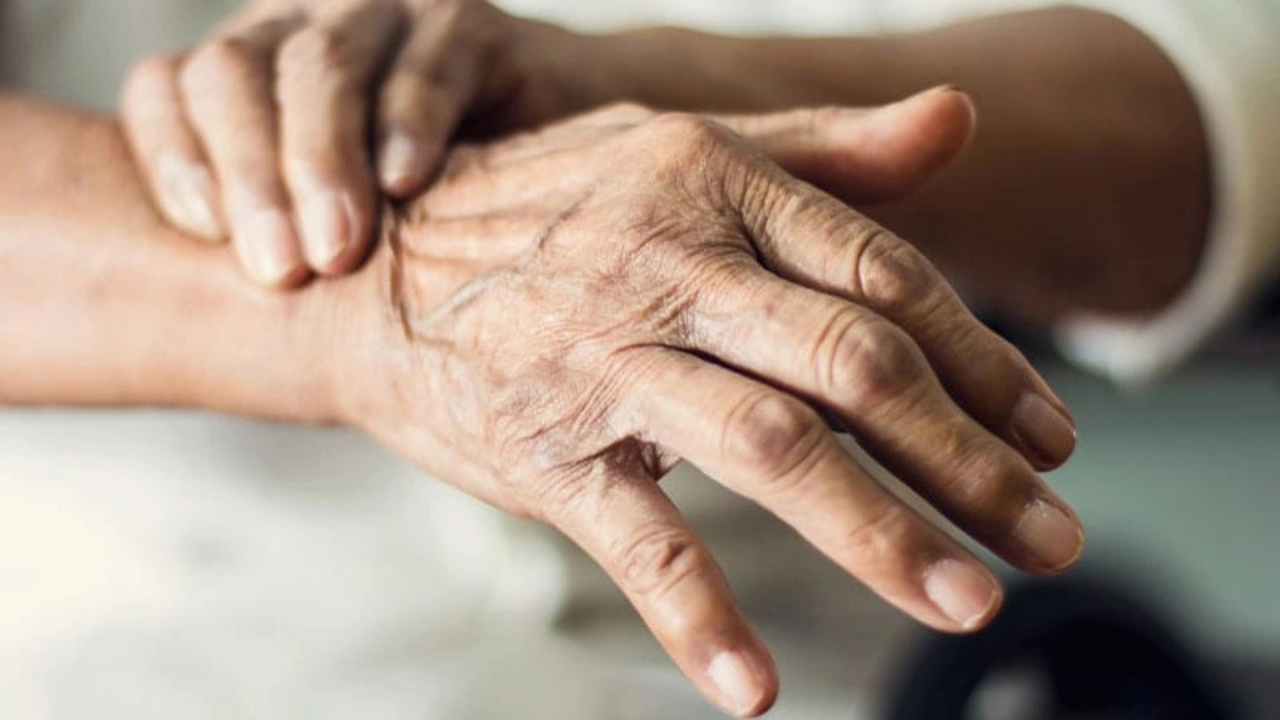
Stem Cell Therapy for Parkinson's Disease
Stem cell therapy supports cellular regeneration in Parkinson's disease, improves motor functions, and helps enhance quality of life. Advanced treatment with Stemcell Consultancy.
Parkinson’s disease is a progressive neurological disorder that affects the central nervous system and can significantly reduce quality of life over time. The condition is mainly associated with the gradual dysfunction and loss of dopamine-producing nerve cells in a brain region called the substantia nigra. As dopamine levels decline, patients may develop tremor, muscle stiffness, slow movement, balance problems, gait changes, and difficulty performing daily activities.
Parkinson’s disease is not only a movement disorder. Many patients also experience non-motor symptoms such as sleep problems, constipation, fatigue, depression, anxiety, reduced sense of smell, cognitive changes, speech difficulties, and autonomic dysfunction. Because symptoms progress differently in each patient, treatment planning should be personalized and medically supervised.
Conventional Parkinson’s disease treatments usually focus on symptom control, dopamine replacement, medication optimization, rehabilitation, and in selected advanced cases, deep brain stimulation. Stem cell therapy has gained scientific interest because regenerative approaches may support inflammation regulation, neuroprotective signaling, cellular communication, and the nervous system microenvironment. However, stem cell therapy for Parkinson’s disease should be understood as an investigational and supportive approach, not as a guaranteed cure or replacement for standard neurological care.
Stemcell Consultancy provides personalized evaluation and regenerative treatment planning for eligible patients with Parkinson’s disease. The goal is to support neurological function, quality of life, mobility, and daily independence through medically supervised protocols, realistic expectations, and structured follow-up.
What Is Parkinson’s Disease?
Parkinson’s disease is a chronic and progressive neurodegenerative condition. It develops when dopamine-producing neurons in the substantia nigra gradually become damaged or lost. Dopamine is a key neurotransmitter involved in smooth, coordinated, and controlled movement.
When dopamine activity decreases, the brain has more difficulty regulating movement. This can lead to classic motor symptoms such as tremor, bradykinesia, rigidity, and postural instability. Over time, the disease may also affect walking, balance, facial expression, handwriting, speech, swallowing, sleep, mood, and cognition.
Parkinson’s disease usually develops slowly. Early symptoms may be subtle and may affect only one side of the body. As the disease progresses, symptoms may become more noticeable, more bilateral, and more limiting in daily life.
How Does Parkinson’s Disease Progress?
The progression of Parkinson’s disease varies from patient to patient. Some people live for many years with mild symptoms, while others develop more disabling motor fluctuations, balance problems, cognitive changes, or medication-related complications.
Common progression patterns may include:
- Early mild tremor or stiffness, often on one side of the body
- Gradual slowing of movement and reduced arm swing while walking
- Increasing muscle rigidity and posture changes
- Gait changes, shuffling steps, or freezing episodes
- Balance problems and increased fall risk in later stages
- Speech, swallowing, sleep, mood, or cognitive changes
- Motor fluctuations related to medication timing in some patients
Because Parkinson’s is progressive, ongoing neurological follow-up is essential. Treatment goals may change over time depending on symptoms, medication response, functional ability, and patient priorities.
Motor Symptoms of Parkinson’s Disease
Motor symptoms are often the most recognizable signs of Parkinson’s disease. These symptoms may begin gradually and may worsen with time.
Common motor symptoms include:
- Tremor: Rhythmic shaking, often starting in one hand, finger, foot, or jaw.
- Bradykinesia: Slowness of movement that makes daily activities more difficult.
- Rigidity: Muscle stiffness that may cause pain, reduced range of motion, or difficulty moving.
- Postural instability: Balance problems and increased risk of falling, especially in later stages.
- Shuffling gait: Short steps, reduced arm swing, or difficulty initiating walking.
- Freezing of gait: Temporary inability to move the feet forward despite intending to walk.
- Reduced facial expression: A masked facial appearance due to reduced facial muscle movement.
- Speech changes: Softer voice, monotone speech, or reduced articulation.
- Handwriting changes: Small, cramped handwriting known as micrographia.
Non-Motor Symptoms of Parkinson’s Disease
Non-motor symptoms can appear before or after movement symptoms. They may significantly affect quality of life and should not be overlooked.
Common non-motor symptoms include:
- Sleep disturbances
- Constipation
- Loss or reduction of smell
- Fatigue
- Depression or anxiety
- Memory or concentration difficulties
- Dizziness or blood pressure changes
- Urinary symptoms
- Pain or sensory discomfort
- Swallowing difficulties in advanced stages
- Hallucinations or confusion in some patients, especially with disease progression or medication effects
A complete Parkinson’s care plan should address both motor and non-motor symptoms.
What Causes Parkinson’s Disease?
The exact cause of Parkinson’s disease is not fully understood. Most cases are thought to result from a combination of genetic susceptibility, aging, environmental exposures, mitochondrial dysfunction, oxidative stress, abnormal protein accumulation, and neuroinflammation.
Factors that may be associated with Parkinson’s disease include:
- Age-related neurological changes
- Family history or genetic mutations in selected cases
- Environmental toxin exposure in some populations
- Oxidative stress
- Mitochondrial dysfunction
- Chronic neuroinflammation
- Alpha-synuclein accumulation and Lewy body pathology
- Cellular repair and protein-clearing pathway dysfunction
Because Parkinson’s disease is complex and multifactorial, no single treatment approach is suitable for every patient.
How Is Parkinson’s Disease Diagnosed?
Diagnosis is usually made by a neurologist based on medical history, neurological examination, symptom pattern, medication response, and exclusion of other conditions. There is no single routine blood test that confirms Parkinson’s disease in every patient.
Diagnostic evaluation may include:
- Detailed neurological examination
- Review of tremor, stiffness, movement speed, walking, and balance
- Assessment of non-motor symptoms
- Medication history and symptom response
- MRI or other imaging when another neurological condition needs to be ruled out
- DaTscan or dopamine transporter imaging in selected uncertain cases
- Blood tests when metabolic or medication-related causes are considered
- Cognitive, speech, swallowing, or gait evaluation when needed
A correct diagnosis is essential before considering any regenerative treatment. Parkinson-like symptoms may also occur in essential tremor, drug-induced parkinsonism, vascular parkinsonism, atypical parkinsonian syndromes, normal pressure hydrocephalus, or other neurological disorders.
Conventional Treatment Options for Parkinson’s Disease
Standard Parkinson’s disease treatment focuses on symptom management, mobility, daily function, and quality of life. Treatment should be individualized by a neurologist or movement disorder specialist.
Common treatment approaches may include:
- Levodopa-carbidopa therapy
- Dopamine agonists in selected patients
- MAO-B inhibitors
- COMT inhibitors
- Amantadine in selected cases
- Medication adjustment for motor fluctuations
- Physical therapy and gait training
- Speech and swallowing therapy
- Occupational therapy
- Exercise programs
- Management of sleep, mood, constipation, and autonomic symptoms
- Deep brain stimulation in selected advanced patients
Patients should not stop or change Parkinson’s medications without medical guidance. Sudden changes may worsen symptoms or cause serious complications.
Why Stem Cell Therapy Is Being Studied for Parkinson’s Disease
Stem cell therapy is being studied in Parkinson’s disease because the condition involves the loss or dysfunction of dopamine-producing neurons, chronic inflammation, impaired cellular communication, and changes in the brain microenvironment. Regenerative strategies are being explored to support neural repair signaling, neuroprotection, and inflammation regulation.
Mesenchymal stem cells, also known as MSCs, are of interest because they can release growth factors, cytokines, extracellular vesicles, and other signaling molecules that may influence tissue repair, immune regulation, and cellular communication.
Potential mechanisms being investigated include:
- Neuroinflammation modulation
- Neuroprotective signaling
- Support for damaged neural tissue environments
- Release of growth factors and repair-related molecules
- Support for cellular communication through extracellular vesicles and exosomes
- Immune system regulation
- Reduction of oxidative stress-related tissue burden
- Support for existing neuronal function in selected patients
These mechanisms are promising from a research perspective, but stem cell therapy should not be described as a proven cure for Parkinson’s disease. More high-quality clinical research is needed to define safety, effectiveness, ideal candidates, dose, application route, and long-term outcomes.
What Is Stem Cell Therapy for Parkinson’s Disease?
Stem cell therapy for Parkinson’s disease is a regenerative medical approach that aims to support the biological environment of the nervous system. In selected supportive protocols, allogeneic mesenchymal stem cells may be considered because of their immunomodulatory, anti-inflammatory, neuroprotective, and tissue-supporting properties.
MSCs do not simply replace all lost dopamine-producing neurons. Their potential effect is mainly related to paracrine signaling, meaning they release biological factors that may influence surrounding cells and support repair-related processes.
In Parkinson’s-focused regenerative protocols, MSCs may help support:
- Neural tissue repair signaling
- Inflammation regulation
- Protection of remaining nerve cells from inflammatory stress
- Improved cellular communication
- Support of the brain microenvironment
- General neurological function in selected patients
The treatment goal should be realistic. The purpose is not to promise full disease reversal, but to explore whether regenerative support may help selected patients improve comfort, function, and quality of life.
Through Which Mechanisms May Stem Cells Affect the Brain?
The potential effect of MSC-based therapies in Parkinson’s disease is based on several biological mechanisms at the cellular level. These mechanisms remain under investigation and should be explained as potential supportive effects rather than guaranteed outcomes.
1. Neuroregenerative Signaling
Stem cells may release biological signals that support repair mechanisms in damaged neural tissue. These signals may influence cellular communication, tissue support, and the brain microenvironment.
2. Reduction of Neuroinflammation
Inflammatory activity is believed to play a role in Parkinson’s disease progression. MSCs may help modulate inflammatory pathways and reduce the inflammatory burden in selected tissue environments.
3. Neuroprotective Support
MSCs may secrete protective factors that support the survival and function of existing nerve cells. This may be relevant in conditions where ongoing stress affects dopamine-producing neurons.
4. Support for Dopamine-Related Pathways
Stem cell-based signaling may support the environment around dopamine-related pathways. However, this should not be described as guaranteed regeneration of dopamine-producing cells or guaranteed restoration of dopamine levels.
5. Regulation of Cellular Communication
Extracellular vesicles and exosomes released by cells may support cell-to-cell communication. These signaling structures are being studied for their role in inflammation regulation, tissue repair, and neurological support.
The Role of Exosomes in Parkinson’s Regenerative Research
Exosomes are small extracellular vesicles involved in cellular communication. They can carry proteins, lipids, RNA, and other signaling molecules between cells. In neurological research, exosomes are being studied because they may influence inflammation, repair signaling, and communication between cells in damaged tissue environments.
In Parkinson’s-focused regenerative protocols, exosome-supported approaches may be discussed because they may help support:
- Cell-to-cell communication
- Inflammation modulation
- Neural repair signaling
- Microenvironment support
- Growth factor-related signaling
Exosome-based therapies should be approached carefully because regulatory status varies by country, and patients should ask about product source, preparation standards, sterility testing, safety data, and clinical evidence before treatment.
Goals of Stem Cell Therapy in Parkinson’s Disease
The primary goal of a regenerative protocol is to support quality of life and neurological function in selected patients. Treatment goals should be personalized and measurable.
Possible supportive goals may include:
- Supporting motor function
- Reducing inflammation-related neurological stress
- Supporting balance and mobility when combined with rehabilitation
- Helping reduce stiffness-related discomfort in selected patients
- Supporting daily activity tolerance
- Improving overall well-being in selected patients
- Supporting sleep, mood, or fatigue when part of a broader care plan
- Helping patients maintain independence for longer where possible
Results vary from person to person. Stem cell-based regenerative therapy should be described as a supportive and investigational option, not a guaranteed method to stop disease progression.
How Is Stem Cell Therapy Applied in Parkinson’s Patients?
The protocol developed by Stemcell Consultancy includes a comprehensive process designed around patient safety, personalized planning, quality control, and follow-up. Every patient is evaluated individually before treatment is considered.
Step 1: Expert Evaluation
The patient’s medical history, current health condition, disease duration, Parkinson’s stage, medications, symptom pattern, mobility level, and previous treatments are reviewed. Neurological reports, MRI scans, motor function assessments, and laboratory tests may also be evaluated.
The assessment may include:
- Review of Parkinson’s diagnosis
- Assessment of disease stage and symptom severity
- Medication response evaluation
- Motor function and balance assessment
- Review of MRI or neurological imaging when available
- Cognitive and mood symptom review
- Sleep, speech, swallowing, and autonomic symptom review
- Laboratory testing when medically needed
- Evaluation of heart, kidney, liver, and immune status
- Risk-benefit analysis
This stage helps determine whether regenerative therapy may be suitable and whether additional neurological care should be prioritized.
Step 2: Free Specialist Consultation
Once the patient’s suitability is reviewed, treatment options and the therapeutic plan are explained in detail. This consultation helps the patient and family understand the possible benefits, limitations, risks, preparation timeline, application method, and follow-up process.
Important topics discussed may include:
- Whether the patient appears suitable
- Expected outcomes and uncertainties
- Application method
- Possible risks and side effects
- Need for continued Parkinson’s medication
- Rehabilitation and lifestyle recommendations
- How progress will be monitored
- Realistic treatment goals
Step 3: Stem Cell Preparation Process
The stem cells to be used are prepared under controlled laboratory conditions. Cell viability, sterility, identity confirmation, and quality control procedures are performed according to applicable standards.
The preparation process may include:
- Selection and preparation of allogeneic mesenchymal stem cells
- Viability testing
- Sterility and contamination checks
- Quality documentation
- Preparation according to the selected protocol
This stage may take several days depending on the protocol and laboratory schedule. Patients are informed about the expected timeline before treatment is scheduled.
Step 4: Treatment Application
The treatment protocol may involve intravenous administration in selected patients. The application method depends on the patient’s condition, physician recommendation, clinical setting, and applicable medical regulations.
Invasive neurological application routes require particular caution and should only be considered under strict medical and regulatory oversight. Patients should receive clear information about the application route, expected monitoring, possible risks, and aftercare instructions.
On treatment day, the process may include:
- Pre-treatment medical check
- Vital sign monitoring
- Medication and symptom review
- Stem cell administration according to protocol
- Observation after the procedure
- Post-treatment instructions
The procedure is planned with patient safety and comfort as priorities.
Step 5: Post-Treatment Follow-Up Program
After the procedure, follow-up consultations are scheduled at specific intervals. Changes in motor function, walking ability, balance, stiffness, tremor burden, sleep, mood, fatigue, and daily activity are monitored.
Follow-up may include:
- Motor symptom tracking
- Balance and gait assessment
- Medication response review
- Quality-of-life questionnaires
- Caregiver observations
- Physical therapy recommendations
- Speech or swallowing therapy referral when needed
- Monitoring for side effects
- Coordination with neurology care
Objective tracking is important because Parkinson’s symptoms may fluctuate from day to day depending on medication timing, sleep, stress, and disease stage.
Potential Benefits of Stem Cell Therapy in Parkinson’s Disease
Stem cell therapy may offer supportive potential for selected Parkinson’s patients. However, benefits are not guaranteed and should be monitored carefully over time.
Potential benefits may include:
- Support for neuroinflammation regulation
- Support for neural tissue repair signaling
- Potential improvement in motor comfort in selected patients
- Support for balance and walking when combined with rehabilitation
- Potential reduction in stiffness-related discomfort
- Support for overall neurological well-being
- Improved daily activity tolerance in selected patients
- Possible quality-of-life support
- Better sleep, mood, or fatigue patterns in some patients as part of a broader care plan
These are potential supportive outcomes and should not be interpreted as guaranteed disease reversal, guaranteed dopamine restoration, or guaranteed reduction in medication needs.
Does Stem Cell Therapy Cure Parkinson’s Disease Completely?
No. Currently, Parkinson’s disease has no universally accepted curative treatment. Stem cell therapy should not be described as a complete cure for Parkinson’s disease.
Regenerative therapy may be explored as a supportive approach for selected patients because of its potential role in inflammation modulation, neuroprotection, and cellular communication. However, patients should continue standard neurological care, prescribed medications, rehabilitation, and follow-up.
Patients and families should be cautious of claims promising permanent cure, full reversal of symptoms, complete dopamine restoration, or guaranteed stopping of disease progression.
Who May Be Eligible for Stem Cell Therapy?
Stem cell therapy may be considered only after detailed medical evaluation. It is not automatically suitable for every Parkinson’s patient.
Potential candidates may include patients who:
- Have a confirmed Parkinson’s disease diagnosis
- Are in early or middle stages of the disease
- Have motor symptoms affecting daily life
- Have reduced response or fluctuating response to medication
- Are seeking supportive regenerative options under medical supervision
- Have stable general health for a regenerative procedure
- Are willing to continue neurological care
- Have family or caregiver support when needed
- Have realistic expectations about possible outcomes
- Can attend follow-up monitoring
Patients in advanced stages may also be evaluated individually, but expected benefits may be more limited, especially when severe balance problems, cognitive decline, swallowing issues, or frailty are present.
Who May Not Be Suitable?
Stem cell therapy may be postponed or avoided in certain situations. Patient safety is always the priority.
Patients may not be suitable if they have:
- Unclear diagnosis or atypical parkinsonism requiring further evaluation
- Active infection
- Active cancer or certain cancer histories
- Severe uncontrolled heart, liver, or kidney disease
- Uncontrolled seizures
- Recent stroke or major neurological event
- Severe blood clotting disorder
- Use of blood thinners that cannot be safely managed
- Severe uncontrolled diabetes
- Severe psychiatric instability
- Advanced dementia or severe cognitive impairment
- Severe frailty or inability to tolerate the procedure
- Recent major surgery without recovery
- Pregnancy or breastfeeding
- Unrealistic expectations of guaranteed recovery
In these cases, further medical evaluation, stabilization, neurological care, or alternative treatment planning may be needed before regenerative therapy is considered.
Safety and Possible Side Effects
Stem cell therapy for Parkinson’s disease should be approached carefully because the nervous system is highly complex. Safety depends on patient selection, cell source, laboratory quality, sterility testing, application route, dose, medical supervision, and follow-up care.
Possible temporary effects may include:
- Fatigue
- Mild discomfort depending on application method
- Temporary headache or sensitivity
- Mild fever-like symptoms in some patients
- Temporary changes in energy or sleep
- Infusion-related reactions in selected cases
- Rare allergic or inflammatory reactions
Patients and caregivers should seek medical attention immediately if severe headache, fever, confusion worsening, weakness, seizure, allergic reaction, breathing difficulty, severe pain, or unexpected neurological symptoms occur after treatment.
When Can Patients Expect Results?
The response timeline varies from patient to patient. Stem cell therapy does not usually work like an immediate Parkinson’s medication. Any changes should be monitored gradually and objectively.
A general timeline may include:
- First few days: Mild fatigue or temporary discomfort may occur depending on the application method.
- First 2-6 weeks: Some patients may notice changes in energy, sleep, stiffness, or general well-being.
- 6-12 weeks: Motor function, walking, balance, tremor burden, and daily activity may be evaluated more clearly.
- 3-6 months: Longer-term patterns in mobility, quality of life, and neurological function may become more meaningful.
Progress should be tracked with neurological assessments, motor scales, patient-reported outcomes, caregiver observations, medication response logs, and follow-up consultations.
Rehabilitation and Supportive Care After Treatment
Regenerative therapy, when considered, should be part of a comprehensive Parkinson’s care plan. Rehabilitation and lifestyle support remain essential for mobility, independence, fall prevention, and daily function.
Supportive care may include:
- Physical therapy
- Gait and balance training
- Strength and flexibility exercises
- Occupational therapy for daily activities
- Speech therapy for voice changes
- Swallowing evaluation when needed
- Fall prevention planning
- Assistive device evaluation
- Medication timing optimization with a neurologist
- Sleep and mood management
- Caregiver education
Patients should continue their Parkinson’s medications unless their neurologist recommends changes. Medication adjustments should be made only under medical supervision.
Lifestyle Strategies That May Support Parkinson’s Care
Lifestyle and supportive care can help patients maintain mobility, independence, and quality of life. These strategies do not cure Parkinson’s disease, but they may help improve daily functioning and symptom management.
Helpful strategies may include:
- Regular exercise adapted to the patient’s ability
- Balance and fall-prevention training
- Stretching and posture exercises
- Adequate hydration
- Balanced nutrition
- Fiber intake for constipation support when appropriate
- Good sleep habits
- Stress management
- Social engagement
- Cognitive stimulation
- Home safety modifications
- Regular neurology follow-up
Patients should discuss supplements, major diet changes, or alternative therapies with their healthcare provider because some products may interact with Parkinson’s medications.
Questions to Ask Before Stem Cell Therapy for Parkinson’s Disease
Before beginning regenerative therapy, patients and families should receive clear answers to important questions.
- Is my diagnosis definitely Parkinson’s disease?
- What stage of disease am I in?
- Is stem cell therapy appropriate for my current condition?
- Is the treatment approved, investigational, or protocol-based in my situation?
- What cell source will be used?
- What quality, sterility, and viability tests are performed?
- What application route is recommended?
- What are the possible risks and side effects?
- Will I continue Parkinson’s medications?
- How will response be measured?
- What outcomes are realistic for my stage?
- What rehabilitation plan should I follow after treatment?
These questions help patients make informed decisions and avoid unrealistic treatment expectations.
The Difference in Stemcell Consultancy’s Treatment Approach
With experience in regenerative medicine and a patient-centered process, Stemcell Consultancy provides a structured therapeutic protocol for eligible Parkinson’s disease patients. The approach focuses on safety, personalization, transparency, and follow-up.
Key features include:
- Detailed neurological and medical evaluation
- Personalized treatment planning
- Quality-focused mesenchymal stem cell preparation when appropriate
- Cell viability, sterility, and quality control procedures
- Medically supervised application process
- Clear explanation of potential benefits and limitations
- Follow-up monitoring after treatment
- Supportive rehabilitation recommendations
- Coordination with ongoing neurology care whenever possible
The goal is not only to address symptoms, but also to support the biological environment involved in neurological function while maintaining realistic expectations and medical safety.
Frequently Asked Questions About Stem Cell Therapy for Parkinson’s Disease
Can stem cell therapy cure Parkinson’s disease?
No. Stem cell therapy should not be described as a guaranteed cure for Parkinson’s disease. It may be explored as a supportive regenerative approach in selected patients, but outcomes vary and standard neurological care remains essential.
Is stem cell therapy approved for Parkinson’s disease everywhere?
No. The regulatory status varies by country, and in many settings stem cell therapy for Parkinson’s disease is considered investigational. Patients should ask about approval status, product source, safety testing, and clinical evidence before treatment.
Can stem cell therapy restore dopamine-producing cells?
Stem cell research aims to understand whether cellular therapies can support or replace dopamine-related pathways, but MSC therapy should not be promoted as a guaranteed way to regenerate dopamine-producing neurons or restore dopamine levels.
Can patients stop Parkinson’s medications after treatment?
No. Patients should not stop or change Parkinson’s medications without consulting their neurologist. Regenerative therapy, if considered, should be integrated carefully with existing care.
Who is a good candidate?
Potential candidates may include selected patients with confirmed Parkinson’s disease, early or middle-stage symptoms, stable general health, realistic expectations, and willingness to continue follow-up and rehabilitation.
Is the treatment suitable for advanced Parkinson’s disease?
Advanced-stage patients may be evaluated individually, but expected benefits may be more limited, especially when severe balance problems, dementia, swallowing difficulty, or frailty are present.
How long does it take to see improvement?
Some patients may notice changes within several weeks, while others may require a few months to evaluate response. Progress should be tracked with neurological assessments and daily function monitoring.
Is the procedure painful?
The procedure is generally planned to be minimally invasive depending on the application route. Some patients may experience temporary fatigue, mild discomfort, or sensitivity. The medical team provides monitoring and aftercare instructions.
Can stem cell therapy help tremors?
Some patients may report changes in tremor burden, but tremor improvement cannot be guaranteed. Tremor may respond differently depending on disease stage, medication response, and individual biology.
Can stem cell therapy help balance and walking?
Regenerative therapy may support neurological function in selected patients, but walking and balance usually also require physical therapy, gait training, fall prevention, and medication optimization.
Are exosomes used in Parkinson’s therapy?
Exosomes are being studied for cellular communication and neuroinflammation modulation. Their use should be evaluated carefully according to product source, safety testing, evidence, and regulatory status.
What should patients track after treatment?
Patients and caregivers should track tremor, stiffness, walking, balance, falls, fatigue, sleep, mood, medication timing, daily activity, speech, swallowing, and any side effects. Sudden worsening should be reported to a healthcare professional.
Improving Quality of Life in Parkinson’s Disease
Parkinson’s disease is a complex and progressive neurological condition that affects movement, independence, emotional health, sleep, communication, and daily life. Because the disease progresses differently in each patient, care should be personalized and comprehensive.
Stem cell therapy is being explored as a supportive regenerative approach because of its potential role in inflammation modulation, neuroprotective signaling, cellular communication, and nervous system support. However, it should always be approached with realistic expectations, accurate diagnosis, professional medical supervision, and continued standard neurological care.
Stemcell Consultancy provides individualized evaluation, regenerative treatment planning, and structured follow-up for eligible Parkinson’s disease patients seeking advanced supportive options.
With Stemcell Consultancy, patients and families can begin a personalized evaluation to learn whether a regenerative protocol may be suitable for Parkinson’s disease-related needs.
This content is for informational purposes only and does not replace medical diagnosis, neurological treatment, or professional medical advice. Parkinson’s disease is a serious progressive neurological disorder that requires evaluation and follow-up by qualified healthcare professionals. Stem cell and exosome-based approaches may not be suitable for everyone, and outcomes can vary depending on diagnosis, disease stage, medical history, treatment protocol, medication response, rehabilitation, and follow-up care.
Quick Question