
Stem Cell Treatment for Liver Steatosis and Liver Insufficiency
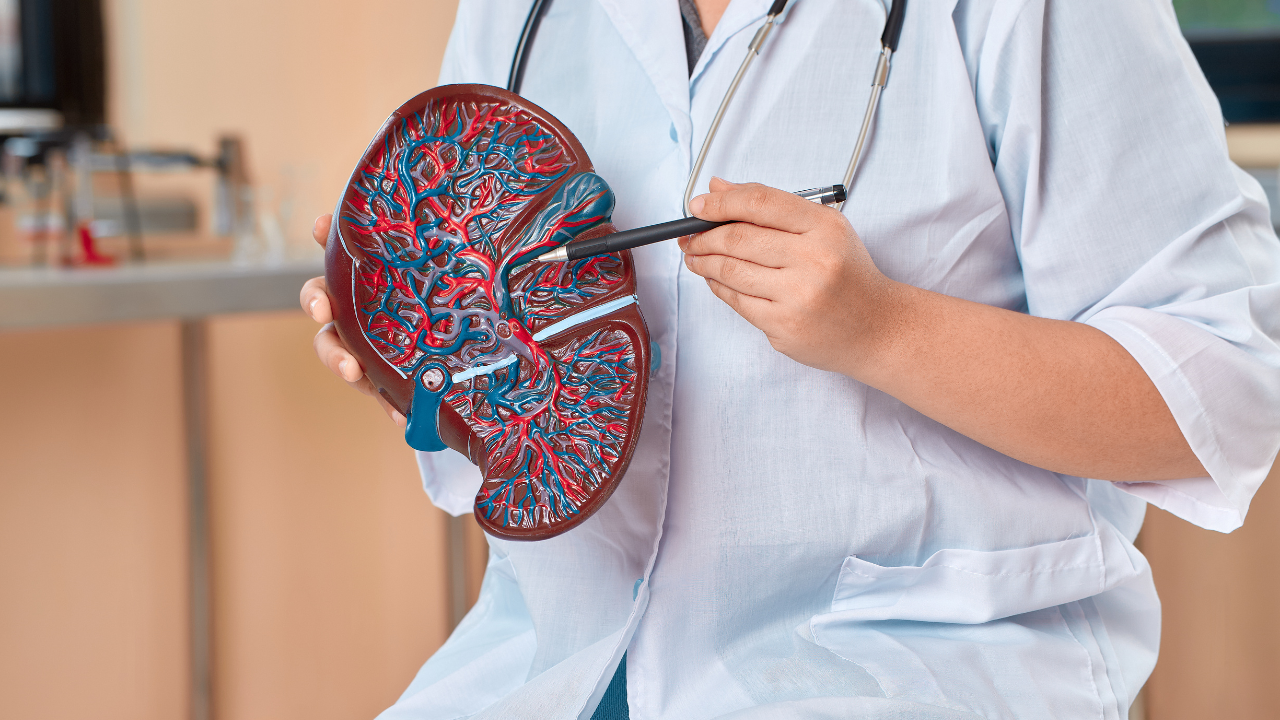
Stem Cell Treatment for Liver Steatosis and Liver Insufficiency
Stem cell therapy offers a promising regenerative approach for liver conditions such as steatosis and insufficiency. By combining mesenchymal stem cells with platelet-rich plasma, this treatment supports liver tissue repair, reduces inflammation, and enhances overall liver function. Minimally invasive and personalized, it complements conventional therapies, aiming to restore health, improve energy levels, and elevate quality of life for patients facing liver challenges.
The liver is one of the most vital organs in the human body. It helps detoxify the blood, metabolize nutrients, produce bile, regulate blood sugar, store energy, process medications, support immune function, and produce proteins needed for blood clotting and fluid balance. When the liver becomes compromised by conditions such as liver steatosis, fatty liver disease, steatohepatitis, fibrosis, cirrhosis, or liver insufficiency, overall health can be affected significantly.
Liver steatosis, commonly known as fatty liver, occurs when excess fat accumulates inside liver cells. In many patients, this condition is linked to obesity, insulin resistance, type 2 diabetes, high cholesterol, poor diet, sedentary lifestyle, alcohol use, or metabolic syndrome. In some cases, certain medications, toxins, rapid weight changes, or other liver diseases may also contribute to liver stress. Liver insufficiency refers to reduced liver function, which may occur when chronic inflammation, fibrosis, cirrhosis, or advanced liver disease limits the liver’s ability to perform essential tasks.
Conventional treatment for liver steatosis and liver insufficiency focuses on identifying the underlying cause, preventing further liver injury, improving metabolic health, reducing inflammation, monitoring fibrosis, and managing complications. These approaches remain essential. Regenerative medicine, including mesenchymal stem cell-based therapy, is being explored as a supportive option because of its potential role in inflammation modulation, tissue repair signaling, immune regulation, and liver microenvironment support.
Stemcell Consultancy provides personalized regenerative treatment planning for eligible patients with liver steatosis, fatty liver-related damage, or selected liver insufficiency concerns. The goal is to support liver health, quality of life, and tissue repair signaling through medically supervised protocols, realistic expectations, and structured follow-up.
What Is Liver Steatosis?
Liver steatosis means excess fat accumulation in the liver. A small amount of fat in the liver can be normal, but when fat builds up beyond healthy levels, it may interfere with liver function and increase inflammation risk. In some patients, simple steatosis may remain stable for years. In others, it may progress to steatohepatitis, fibrosis, cirrhosis, or liver insufficiency.
Fatty liver disease may occur in different clinical settings:
- Metabolic dysfunction-associated steatotic liver disease: Often linked to obesity, insulin resistance, diabetes, high triglycerides, high blood pressure, or metabolic syndrome.
- Metabolic dysfunction-associated steatohepatitis: A more active inflammatory form in which fat accumulation is accompanied by liver cell injury and inflammation.
- Alcohol-related fatty liver disease: Fat accumulation and inflammation caused or worsened by alcohol use.
- Medication or toxin-related steatosis: Certain drugs or toxins may contribute to liver injury in selected patients.
- Secondary fatty liver: May occur due to rapid weight loss, malnutrition, viral hepatitis, endocrine disorders, or other medical conditions.
Because the cause can vary, proper diagnosis is essential before treatment planning. A liver-friendly strategy should address both fat accumulation and the underlying metabolic or toxic trigger.
What Is Liver Insufficiency?
Liver insufficiency means that the liver is not functioning at its normal capacity. It may develop gradually in chronic liver disease or occur more rapidly in severe acute liver injury. In chronic cases, liver insufficiency may be related to fibrosis, cirrhosis, viral hepatitis, alcohol-related liver disease, fatty liver progression, autoimmune liver disease, bile duct disease, or other long-term causes of liver damage.
When liver function declines, the body may have difficulty with:
- Detoxification of harmful substances
- Medication metabolism
- Protein production, including albumin and clotting factors
- Bile production and digestion support
- Blood sugar regulation
- Storage of vitamins and minerals
- Immune defense
- Fluid balance
Advanced liver insufficiency can become life-threatening and may require urgent hepatology care, complication management, or transplant evaluation. Stem cell therapy should never delay emergency care or standard liver treatment when liver failure or decompensated cirrhosis is present.
How Fatty Liver Can Progress
Fatty liver does not always progress, but in some patients it can worsen over time. The risk is higher when metabolic factors remain uncontrolled or when liver injury continues.
A common progression pattern may include:
- Simple steatosis: Fat accumulates in liver cells with little or no inflammation.
- Steatohepatitis: Fat accumulation is accompanied by inflammation and liver cell injury.
- Fibrosis: Repeated injury causes scar tissue formation.
- Cirrhosis: Advanced scarring distorts liver structure and affects blood flow.
- Liver insufficiency or failure: The liver can no longer perform essential functions adequately.
- Liver cancer risk: Cirrhosis increases the risk of hepatocellular carcinoma.
Early diagnosis and intervention are important because lifestyle, metabolic control, and appropriate medical care may help slow or reduce progression in many patients.
Common Causes and Risk Factors
Liver steatosis and liver insufficiency can develop from many causes. In some patients, several risk factors are present at the same time.
Common causes and risk factors include:
- Obesity or excess abdominal fat
- Insulin resistance
- Type 2 diabetes
- High triglycerides or abnormal cholesterol levels
- High blood pressure
- Sedentary lifestyle
- High intake of refined carbohydrates, sugary drinks, or ultra-processed foods
- Alcohol use
- Rapid weight gain or rapid weight loss
- Chronic viral hepatitis
- Autoimmune liver disease
- Medication-related liver stress in selected cases
- Genetic or metabolic liver disorders
- Long-term inflammation or oxidative stress
Patients should not stop prescribed medications such as statins, diabetes medications, or blood pressure medications without medical guidance. In many patients with fatty liver and cardiovascular risk, these medications may be important for overall health. Any medication-related concern should be reviewed by a physician.
Symptoms of Liver Steatosis and Liver Insufficiency
Fatty liver disease is often silent in the early stages. Many patients are diagnosed after routine blood tests or imaging. Symptoms may become more noticeable when inflammation, fibrosis, or liver insufficiency develops.
Possible symptoms include:
- Fatigue or low energy
- Weakness
- Right upper abdominal discomfort
- Loss of appetite
- Nausea or digestive discomfort
- Unexplained weight changes
- Abdominal bloating
- Itching
- Yellowing of the skin or eyes in more advanced disease
- Dark urine or pale stools
- Easy bruising or bleeding
- Swelling in the legs or abdomen
- Confusion, sleep changes, or reduced concentration in advanced liver disease
Because symptoms can appear late, patients with metabolic risk factors should not wait for symptoms before seeking evaluation.
When Liver Symptoms Require Urgent Medical Care
Some liver-related symptoms may indicate serious complications. Patients should seek urgent medical attention if they experience:
- Vomiting blood
- Black or tar-like stools
- Severe jaundice
- Sudden confusion or severe sleepiness
- Rapid abdominal swelling
- Severe abdominal pain
- Fever with abdominal pain or fluid retention
- Severe weakness or fainting
- Unexplained bleeding or severe bruising
- Reduced urination
- Shortness of breath with swelling
Stem cell therapy is not an emergency treatment for liver failure, variceal bleeding, severe infection, or decompensated cirrhosis. These conditions require immediate medical care.
How Are Liver Steatosis and Liver Insufficiency Diagnosed?
Diagnosis requires a combination of medical history, physical examination, blood tests, imaging, and fibrosis assessment. The goal is to identify the cause, determine the stage, evaluate liver function, and assess complication risk.
Diagnostic evaluation may include:
- Liver enzymes such as ALT, AST, ALP, and GGT
- Bilirubin levels
- Albumin levels
- INR and clotting profile
- Complete blood count
- Platelet count
- Kidney function tests
- Fasting glucose and HbA1c
- Lipid profile
- Hepatitis B and C testing when appropriate
- Autoimmune liver markers in selected patients
- Iron studies and metabolic testing when needed
- Ultrasound to detect fatty liver or structural changes
- FibroScan or elastography to estimate liver stiffness and fibrosis
- MRI-based liver fat assessment in selected cases
- CT or MRI when complications or masses need evaluation
- Liver biopsy in selected unclear or high-risk cases
Accurate staging is important. A patient with simple fatty liver requires a different care plan than a patient with MASH, advanced fibrosis, cirrhosis, or liver insufficiency.
Conventional Treatment Options
Standard liver care remains the foundation of treatment. Regenerative therapy should be considered only as a supportive approach when appropriate and should not replace established medical care.
Conventional management may include:
- Weight management when overweight or obesity is present
- Nutrition planning focused on metabolic health
- Regular physical activity
- Diabetes control
- Blood pressure and cholesterol management
- Alcohol reduction or complete avoidance when liver disease is present
- Medication review to reduce liver-toxic exposure when possible
- Vaccination planning when appropriate
- Treatment of viral hepatitis if present
- Management of autoimmune or bile duct disease when diagnosed
- Monitoring for fibrosis progression
- Liver cancer surveillance in patients with cirrhosis or high-risk disease
- Management of cirrhosis complications when present
- Transplant evaluation in selected advanced cases
Patients should work with qualified healthcare professionals, especially hepatologists or gastroenterologists, when liver disease is advanced, unclear, or progressive.
Why Regenerative Medicine Is Being Explored
Chronic liver disease involves inflammation, oxidative stress, immune activation, impaired repair signaling, scar tissue formation, and changes in the liver microenvironment. Because the liver has natural regenerative capacity, regenerative medicine has attracted interest as a supportive strategy in selected liver conditions.
Mesenchymal stem cells are being studied because they may help support:
- Inflammation modulation
- Immune regulation
- Tissue repair signaling
- Microenvironment support
- Cellular communication
- Vascular support
- Potential anti-fibrotic pathways
These mechanisms are promising, but stem cell therapy should not be described as a guaranteed cure for fatty liver, liver insufficiency, fibrosis, or cirrhosis. Results vary depending on the underlying cause, disease stage, metabolic health, alcohol exposure, fibrosis severity, and ongoing medical care.
How Stem Cell Therapy Works
Stem cell therapy for liver steatosis and liver insufficiency commonly focuses on mesenchymal stem cells, also known as MSCs. At Stemcell Consultancy, allogeneic MSCs derived from umbilical cord tissue may be considered in selected protocols after medical evaluation.
MSCs are not expected to simply replace the entire damaged liver. Their potential benefit is mainly related to paracrine signaling, meaning they release growth factors, cytokines, extracellular vesicles, and other signaling molecules that may influence inflammation, immune balance, vascular support, and tissue repair pathways.
In liver-focused regenerative protocols, MSCs may help support:
- Reduction of inflammatory signaling in selected tissue environments
- Support of liver cell repair mechanisms
- Immune balance in chronic inflammatory states
- Healthier communication between cells involved in repair
- Support of the liver microenvironment
- Potential improvement in tissue response when combined with standard care
These possible effects should be understood as supportive and investigational. Stem cell therapy should not replace lifestyle change, metabolic treatment, antiviral care, cirrhosis monitoring, or transplant evaluation when needed.
The Role of PRP in Liver-Focused Regenerative Protocols
Platelet-Rich Plasma, also known as PRP, is prepared from the patient’s own blood and contains platelets and growth factors. In some regenerative protocols, PRP may be discussed as an adjunct because growth factors can support tissue signaling and repair-related biological activity.
PRP may be considered to support:
- Growth factor signaling
- Cellular communication
- Tissue repair environment
- Regenerative support when combined with MSCs in selected protocols
PRP is not necessary for every patient and should not be presented as a guaranteed liver regeneration tool. Its use should be based on medical suitability, protocol design, safety considerations, and clear explanation of limitations.
Can Stem Cell Therapy Restore Liver Function?
Stem cell therapy may support liver-related repair signaling in selected patients, but complete restoration of liver function cannot be guaranteed. The liver’s ability to recover depends on the cause and stage of damage.
Patients with early fatty liver and controlled metabolic risk factors may have better recovery potential than patients with advanced cirrhosis or decompensated liver disease. Patients with severe liver insufficiency may require specialized hepatology care and may not be suitable for regenerative treatment until stabilized.
Factors that may influence response include:
- Degree of steatosis
- Presence of MASH or active inflammation
- Fibrosis stage
- Presence of cirrhosis
- Alcohol use status
- Diabetes control
- Body weight and metabolic health
- Medication and toxin exposure
- Kidney function
- Nutrition and muscle mass
- Age and overall health
- Consistency with follow-up and lifestyle changes
Can Stem Cell Therapy Cure Fatty Liver?
No. Stem cell therapy should not be described as a guaranteed cure for fatty liver. Fatty liver usually requires correction of the underlying drivers, such as excess weight, insulin resistance, diabetes, high triglycerides, poor nutrition, sedentary lifestyle, or alcohol use.
Regenerative therapy may be explored as supportive care in selected patients, especially when chronic inflammation, tissue stress, or reduced liver function are concerns. However, without lifestyle and metabolic management, fatty liver may continue to progress even after regenerative treatment.
Can Stem Cell Therapy Reverse Liver Insufficiency?
Reversal of liver insufficiency cannot be guaranteed. Liver insufficiency may range from mild functional decline to severe decompensated liver disease. In advanced cases, the liver may be too damaged to respond meaningfully to supportive regenerative approaches.
Stem cell therapy may be considered only after careful evaluation of liver function, fibrosis stage, clotting status, kidney function, infection risk, and complication history. Patients with decompensated cirrhosis, severe ascites, encephalopathy, active bleeding, or suspected liver cancer require specialist care first.
Step-by-Step Treatment Process
Stemcell Consultancy follows a structured process for patients with liver steatosis or liver insufficiency concerns. Each stage focuses on safety, eligibility, realistic expectations, and personalized planning.
1. Specialist Assessment
Patients undergo a comprehensive medical evaluation to determine suitability. Medical history, previous treatments, lifestyle factors, medications, alcohol exposure, metabolic risk factors, diagnostic tests, imaging, and liver function are reviewed.
The assessment may include:
- Review of liver diagnosis
- Assessment of steatosis, fibrosis, or cirrhosis stage
- Liver enzyme and liver function test review
- CBC, CMP, bilirubin, albumin, INR, and platelet count
- HbA1c, fasting glucose, and lipid profile
- Hepatitis testing when appropriate
- Ultrasound, FibroScan, MRI, CT, or elastography review
- Medication and supplement review
- Alcohol and nutrition assessment
- Risk-benefit evaluation
Early diagnosis and accurate staging are important for determining whether regenerative therapy may be appropriate and whether standard liver treatment should be prioritized first.
2. Initial Consultation
After the assessment, patients receive a consultation to discuss treatment options, expected outcomes, procedure details, limitations, potential risks, preparation timeline, and follow-up planning.
During this consultation, patients may discuss:
- Whether they appear suitable for regenerative therapy
- What goals are realistic
- Whether standard liver care is needed first
- How MSCs and PRP may be used
- Possible risks and side effects
- How progress will be monitored
- Diet, activity, and liver health recommendations
- Need for hepatology coordination
This step helps patients make informed decisions and avoid unrealistic expectations.
3. Stem Cell and PRP Preparation
Once the treatment plan is confirmed and the patient is considered suitable, MSCs are prepared under controlled laboratory conditions. PRP may be prepared from the patient’s own blood when included in the protocol.
The preparation process may include:
- Selection and preparation of allogeneic MSCs
- Cell viability testing
- Sterility and contamination controls
- Identity and quality confirmation
- Documentation according to applicable standards
- PRP preparation from the patient’s blood when appropriate
- Final protocol review before administration
Preparation may take several days depending on laboratory schedule, protocol design, and availability. Patients should receive clear information about timing before the treatment day.
4. Treatment Administration
On the day of therapy, patients visit the clinic or use transportation support when available. The medical team reviews current symptoms, vital signs, blood glucose status when relevant, medications, and recent test results before administration.
The treatment day may include:
- Pre-treatment medical check
- Vital sign monitoring
- Review of recent liver symptoms
- Administration of MSCs according to the selected protocol
- PRP-supported application when medically appropriate
- Observation after the procedure
- Post-treatment instructions
The procedure is planned in a safe and controlled medical environment. Patients with liver disease may have increased risks related to clotting changes, infection vulnerability, medication sensitivity, or fluid balance, so careful screening is essential.
5. Follow-Up Care
Follow-up care is essential after treatment. Patients are monitored through scheduled follow-ups to assess safety, symptoms, laboratory trends, lifestyle progress, and overall liver health.
Follow-up may include:
- Liver enzyme monitoring
- Bilirubin, albumin, INR, platelet, and kidney function review
- Metabolic markers such as HbA1c and lipid profile
- Assessment of fatigue, appetite, digestion, and general well-being
- Monitoring for swelling, jaundice, confusion, or bleeding
- Nutrition and activity guidance
- Fibrosis or imaging follow-up when medically indicated
- Coordination with hepatology care when needed
Patients should continue standard liver follow-up after regenerative therapy, especially if fibrosis, cirrhosis, viral hepatitis, or metabolic disease is present.
Potential Benefits of Stem Cell Therapy for Liver Conditions
Stem cell therapy may provide supportive potential for selected patients with liver steatosis or liver insufficiency-related concerns. Benefits vary and should be monitored objectively through symptoms, laboratory tests, imaging, and specialist evaluation.
Potential benefits may include:
- Inflammation modulation: MSC-related signaling may help regulate inflammatory pathways involved in liver stress.
- Tissue repair support: Growth factors, cytokines, and extracellular vesicles may support repair-related signaling.
- Liver microenvironment support: MSCs may help create a more favorable environment for cellular recovery.
- Vascular and metabolic support: Regenerative signaling may support tissue oxygenation and metabolic balance in selected patients.
- Quality-of-life support: Some patients may report improved energy, appetite, digestion, or general well-being.
- Support alongside standard care: Regenerative therapy may be integrated with lifestyle, metabolic, and hepatology care when appropriate.
These potential benefits should not be interpreted as guaranteed liver regeneration, guaranteed fibrosis reversal, or guaranteed recovery from liver insufficiency.
Who May Be a Suitable Candidate?
Stem cell therapy may be considered only after detailed medical evaluation. Suitability depends on diagnosis, liver function, fibrosis stage, metabolic health, infection status, clotting status, and overall medical condition.
Potential candidates may include patients who:
- Have liver steatosis with ongoing liver health concerns
- Have fatty liver-related inflammation or early fibrosis under medical evaluation
- Have stable liver insufficiency without urgent decompensation
- Have persistent fatigue or reduced quality of life despite standard care
- Have controlled metabolic risk factors or are willing to improve them
- Are medically stable enough for the planned procedure
- Have realistic expectations about supportive outcomes
- Are willing to continue standard liver care and follow-up
- Can follow nutrition, activity, and lifestyle recommendations
The best candidates are usually medically stable patients with clear diagnosis, measurable liver-related goals, and commitment to long-term lifestyle and medical follow-up.
Who May Not Be Suitable?
Stem cell therapy may be postponed or avoided when risks are high or when urgent standard care is needed.
Patients may not be suitable if they have:
- Active uncontrolled infection
- Severe decompensated cirrhosis
- Severe ascites
- Recent variceal bleeding
- Severe hepatic encephalopathy
- Active liver cancer or suspected hepatocellular carcinoma without evaluation
- Severe kidney failure or hepatorenal syndrome
- Severe clotting disorder or high bleeding risk
- Uncontrolled diabetes or severe cardiovascular disease
- Ongoing heavy alcohol use
- Uncontrolled viral hepatitis without appropriate medical care
- Pregnancy or breastfeeding
- Recent major surgery without recovery
- Unrealistic expectations of guaranteed liver regeneration or cure
In these cases, hepatology management, infection control, antiviral care, metabolic stabilization, cancer evaluation, or transplant assessment may need to be prioritized.
Safety and Possible Side Effects
Stem cell therapy for liver conditions should be performed only after proper diagnosis and medical evaluation. Safety depends on patient selection, liver function, clotting status, cell source, laboratory quality, sterility testing, application method, dose, and follow-up care.
Possible temporary effects may include:
- Fatigue
- Mild fever-like symptoms
- Temporary discomfort depending on application method
- Infusion-related sensations in some patients
- Temporary changes in appetite or energy
- Rare allergic or inflammatory reactions
- Infection or bleeding risk depending on patient condition and procedure type
Patients should seek medical attention if they experience high fever, severe weakness, worsening jaundice, abdominal swelling, confusion, bleeding, black stools, vomiting blood, severe pain, allergic reaction, or unexpected symptoms after treatment.
When Can Results Be Expected?
Response time varies from patient to patient. Stem cell therapy does not usually work like an immediate medication. Potential effects are related to inflammation modulation, tissue repair signaling, metabolic support, and longer-term liver health management.
A general monitoring timeline may include:
- First few days: Mild fatigue or temporary discomfort may occur.
- First 2-6 weeks: Some patients may notice changes in energy, appetite, digestion, or general well-being.
- 6-12 weeks: Liver-related laboratory trends and symptom changes may be reviewed more meaningfully.
- 3-6 months: Longer-term patterns in liver enzymes, metabolic markers, fatigue, and functional status may become clearer.
- Long-term follow-up: Ongoing monitoring is important because fatty liver and liver insufficiency can progress if underlying causes are not controlled.
Progress should be evaluated using liver tests, metabolic markers, imaging when needed, fibrosis assessment, symptom tracking, and physician follow-up.
Lifestyle and Nutrition Support for Liver Health
Lifestyle management is one of the most important parts of fatty liver and liver insufficiency care. Regenerative therapy, when considered, should be integrated into a comprehensive liver health plan.
Helpful strategies may include:
- Weight loss when overweight or obesity is present
- Reducing refined carbohydrates and sugary drinks
- Following a balanced, Mediterranean-style nutrition pattern when appropriate
- Increasing fiber-rich foods, vegetables, and lean protein
- Regular aerobic and resistance exercise within safe limits
- Controlling diabetes and insulin resistance
- Managing cholesterol and triglycerides
- Controlling blood pressure
- Avoiding or strictly limiting alcohol depending on liver status
- Avoiding unnecessary supplements or detox products
- Reviewing medications with a physician
- Vaccination planning when recommended
- Regular liver follow-up appointments
Patients should avoid unverified liver detox programs, high-dose supplements, herbal products, or fasting plans without medical supervision, because some may worsen liver injury or interact with medications.
Questions to Ask Before Stem Cell Therapy for Liver Conditions
Before starting regenerative therapy, patients should receive clear answers to important questions.
- What is the exact cause of my liver condition?
- Do I have simple steatosis, steatohepatitis, fibrosis, cirrhosis, or liver insufficiency?
- What is my fibrosis stage?
- Is my liver function stable enough for the procedure?
- Do I need hepatology treatment before regenerative therapy?
- Is stem cell therapy appropriate for my condition?
- Is the treatment approved, investigational, or protocol-based in my situation?
- What cell source will be used?
- What sterility and viability tests are performed?
- Will PRP be used, and why?
- What benefits are realistic in my case?
- What risks are increased because of my liver condition?
- How will my response be monitored?
- What lifestyle changes must I follow after treatment?
These questions help patients make informed decisions and avoid unrealistic treatment expectations.
Why Choose Stemcell Consultancy?
Stemcell Consultancy provides personalized regenerative treatment planning for patients with liver steatosis, fatty liver-related damage, and selected liver insufficiency concerns. The approach focuses on careful eligibility assessment, transparent communication, quality-focused preparation, and structured follow-up.
Key advantages include:
- Personalized liver health evaluation
- Review of liver function tests, metabolic markers, and imaging
- Assessment of fibrosis stage and complication risk
- Allogeneic MSC-based protocols when medically appropriate
- PRP-supported protocols in selected cases
- Quality-focused laboratory preparation standards
- Minimally invasive treatment planning when suitable
- Transparent explanation of benefits and limitations
- Follow-up monitoring after treatment
- Nutrition, lifestyle, and liver health guidance
- Coordination with standard liver care whenever possible
The goal is to support liver health responsibly while respecting the importance of diagnosis, standard medical treatment, and long-term lifestyle management.
Frequently Asked Questions About Stem Cell Therapy for Liver Steatosis and Liver Insufficiency
Can stem cell therapy cure fatty liver?
No. Stem cell therapy should not be described as a guaranteed cure for fatty liver. Fatty liver usually requires weight management, metabolic control, alcohol avoidance when appropriate, nutrition changes, exercise, and medical follow-up.
Can stem cell therapy reverse liver insufficiency?
Reversal of liver insufficiency cannot be guaranteed. Some stable patients may be evaluated for supportive regenerative therapy, but advanced liver insufficiency requires specialist care and may not be suitable for regenerative treatment.
Can MSCs become liver cells?
MSCs have been studied for multiple regenerative mechanisms, but their main supportive role is often related to paracrine signaling, immune modulation, inflammation regulation, and tissue repair support rather than direct replacement of the liver.
Is PRP necessary for liver stem cell therapy?
PRP is not necessary for every patient. It may be considered in selected protocols as a growth factor-supported adjunct. Its use should be explained clearly, including expected benefits and limitations.
Can I stop my liver medications after treatment?
No. Patients should not stop prescribed medications without medical guidance. Regenerative therapy should not replace antiviral medications, diabetes treatment, cholesterol management, blood pressure medication, or cirrhosis care when these are indicated.
Is stem cell therapy suitable for cirrhosis?
Some stable patients with early or moderate liver damage may be evaluated, but decompensated cirrhosis, severe ascites, recent variceal bleeding, encephalopathy, kidney failure, or suspected liver cancer may make treatment unsuitable or high risk.
How long does it take to see improvement?
Some patients may notice changes in energy or general well-being within weeks, while laboratory or fibrosis-related changes may require longer monitoring. Results vary significantly.
Is the procedure painful?
The procedure is generally planned to be minimally invasive. Some patients may experience temporary fatigue, mild discomfort, or infusion-related sensations depending on the protocol.
Who is a good candidate?
Potential candidates may include medically stable patients with liver steatosis, fatty liver-related inflammation, early fibrosis, or selected liver insufficiency concerns who have realistic expectations and are willing to continue standard liver care.
Who should avoid this treatment?
Patients with active infection, severe decompensated cirrhosis, active liver cancer, severe kidney failure, high bleeding risk, uncontrolled diabetes, ongoing heavy alcohol use, pregnancy, or unrealistic expectations may not be suitable.
What should patients track after treatment?
Patients should track fatigue, appetite, weight, abdominal swelling, leg swelling, jaundice, digestion, energy, alcohol intake, medication use, liver test results, and metabolic markers. Any concerning symptom should be reported promptly.
Can lifestyle changes still improve fatty liver?
Yes. Lifestyle changes remain central to fatty liver management. Weight control, exercise, improved nutrition, diabetes management, and alcohol avoidance when appropriate can significantly support liver health.
Taking the Next Step Toward Liver Health
Liver steatosis and liver insufficiency can affect energy, metabolism, digestion, detoxification, immune balance, and long-term quality of life. Because liver disease may remain silent until advanced stages, early diagnosis and continuous monitoring are essential.
Stem cell therapy is being explored as a supportive regenerative approach for selected liver conditions because of its potential role in inflammation modulation, tissue repair signaling, immune regulation, and liver microenvironment support. However, it should always be approached with realistic expectations, proper diagnosis, medical supervision, and continued standard liver care.
Stemcell Consultancy provides individualized evaluation, regenerative treatment planning, and structured follow-up for eligible patients seeking advanced supportive options for liver steatosis and liver insufficiency.
Patients interested in stem cell therapy for liver steatosis or liver insufficiency can contact Stemcell Consultancy to begin a personalized evaluation and learn whether a regenerative protocol may be suitable for their liver health needs.
This content is for informational purposes only and does not replace medical diagnosis, hepatology care, or professional medical advice. Liver steatosis, fatty liver disease, and liver insufficiency may have different causes and stages. Stem cell, PRP, exosome, and other regenerative approaches may not be suitable for everyone, and outcomes can vary depending on diagnosis, liver function, fibrosis stage, cirrhosis status, metabolic health, alcohol use, medical history, treatment protocol, lifestyle changes, and follow-up care.
Quick Question