
Stem Cell Treatment for Golfer's Elbow or Tennis Elbow
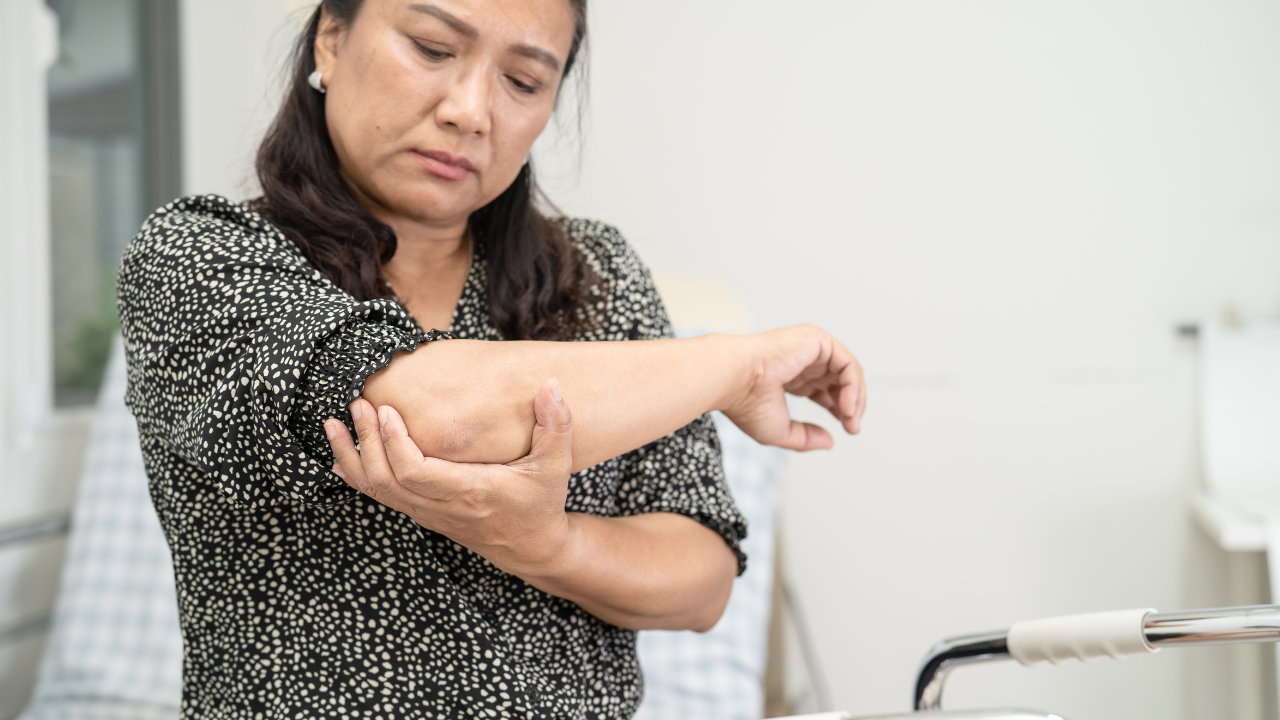
Stem Cell Treatment for Golfer's Elbow or Tennis Elbow
Stem cell therapy provides an advanced, minimally invasive treatment for golfer’s and tennis elbow by promoting natural tendon regeneration and reducing inflammation. Using umbilical cord-derived mesenchymal stem cells (MSCs), often combined with platelet-rich plasma (PRP), this therapy targets the underlying tendon damage rather than just relieving symptoms. Patients benefit from faster recovery, improved tendon strength, and reduced pain, enabling a return to daily activities and sports. The t
Golfer’s elbow and tennis elbow are common musculoskeletal conditions that develop as a result of repetitive strain, overuse, or chronic stress on the tendons around the elbow. Although their names are associated with sports, these conditions can affect anyone whose work, hobbies, or daily routine involves repeated gripping, lifting, twisting, typing, or wrist and forearm movements.
Both conditions may cause pain, tenderness, stiffness, weakness, inflammation, reduced grip strength, and limited range of motion. Over time, even simple activities such as lifting a cup, opening a jar, carrying a bag, shaking hands, using tools, or working at a computer can become uncomfortable.
Conventional treatments such as rest, anti-inflammatory medications, physical therapy, braces, corticosteroid injections, or activity modification may help many patients. However, when tendon pain becomes chronic or keeps returning, regenerative medicine options such as stem cell therapy and platelet-rich plasma (PRP) may be considered as supportive approaches to help stimulate tissue repair and improve tendon healing.
Stemcell Consultancy offers personalized regenerative treatment planning in Istanbul for patients with golfer’s elbow, tennis elbow, and other tendon-related injuries. The goal is to support natural healing, reduce pain, improve function, and help patients return to daily life and sports with greater confidence.
What Are Golfer’s Elbow and Tennis Elbow?
Golfer’s elbow and tennis elbow are both forms of epicondylitis, meaning they affect the tendon attachments around the elbow. The main difference is the location of pain and the tendon group involved.
Golfer’s elbow, also known as medial epicondylitis, affects the tendons on the inner side of the elbow. These tendons are connected to the forearm muscles responsible for wrist flexion and gripping. Pain is usually felt on the inside of the elbow and may radiate into the forearm.
Tennis elbow, also known as lateral epicondylitis, affects the tendons on the outer side of the elbow. These tendons are connected to the forearm muscles responsible for wrist extension and hand control. Pain is usually felt on the outside of the elbow and may worsen with gripping, lifting, or wrist extension.
Despite their names, these conditions are not limited to golfers or tennis players. They are also common among office workers, manual laborers, mechanics, carpenters, painters, musicians, chefs, weightlifters, and anyone who performs repetitive arm and wrist movements.
Understanding the Cause and Progression
Golfer’s elbow and tennis elbow often develop when repeated stress creates microscopic damage in the tendon fibers that attach forearm muscles to the elbow. In the early stages, patients may feel mild discomfort or tightness. If the same movements continue without proper rest, strengthening, or treatment, the tendon may become weaker and more sensitive over time.
These conditions are often described as inflammatory, especially in the early phase. However, in chronic cases, the main issue may involve tendon degeneration, poor collagen organization, reduced blood supply, and incomplete tissue repair. This is why chronic elbow pain may persist even when inflammation decreases.
Common contributing factors include:
- Repetitive gripping or squeezing
- Frequent lifting or carrying
- Typing or mouse use with poor ergonomics
- Improper sports technique
- Sudden increase in training intensity
- Weak forearm, wrist, or shoulder muscles
- Poor flexibility in the forearm muscles
- Using heavy tools or vibrating equipment
- Previous elbow or wrist injuries
- Insufficient recovery between activities
If left untreated, symptoms may become more persistent and may interfere with work, sports, sleep, and daily activities. Early diagnosis and a structured treatment plan can help prevent progression.
Symptoms of Golfer’s Elbow and Tennis Elbow
The symptoms may develop gradually or appear after a period of increased activity. Pain is usually activity-related at first, but in more chronic cases, it may continue even at rest.
Common symptoms include:
- Pain on the inner or outer side of the elbow
- Tenderness around the bony part of the elbow
- Pain that radiates into the forearm or wrist
- Weak grip strength
- Difficulty lifting, gripping, or twisting objects
- Stiffness in the elbow, especially in the morning
- Pain during sports or work-related activities
- Discomfort while shaking hands or opening jars
- Reduced range of motion
- In some cases, tingling or nerve-like symptoms
If numbness, severe weakness, swelling, trauma, deformity, or worsening neurological symptoms are present, the patient should be evaluated promptly by a qualified healthcare professional.
How Are These Conditions Diagnosed?
Diagnosis usually begins with a detailed medical history and physical examination. The specialist evaluates the location of pain, movements that trigger symptoms, grip strength, elbow mobility, occupational risk factors, sports history, and previous treatments.
In many cases, diagnosis can be made clinically. However, additional tests may be requested when symptoms are persistent, severe, unclear, or resistant to standard treatment.
Diagnostic evaluation may include:
- Physical examination of the elbow, wrist, and forearm
- Grip strength assessment
- Range of motion testing
- Ultrasound evaluation of tendon structure
- MRI when tendon tearing or other conditions are suspected
- X-ray if arthritis, bone injury, or calcification needs to be ruled out
- Nerve evaluation if numbness or tingling is present
A correct diagnosis is important because elbow pain may also be caused by nerve compression, arthritis, ligament injury, joint problems, referred neck pain, bursitis, or tendon tears.
Conventional Treatment Options
Many patients improve with conservative treatment, especially when symptoms are addressed early. The first stage usually focuses on reducing tendon overload and improving healing conditions.
Common conservative options include:
- Rest from painful activities
- Ice application during painful flare-ups
- Anti-inflammatory or pain-relieving medications when recommended
- Elbow brace or counterforce strap
- Physical therapy
- Stretching and strengthening exercises
- Ergonomic adjustments
- Correction of sports or work technique
- Corticosteroid injections in selected cases
- PRP injections for chronic tendon problems
Although these treatments can be helpful, some patients continue to experience chronic pain, recurrent flare-ups, or incomplete recovery. In such cases, regenerative approaches may be discussed as part of a broader treatment plan.
The Role of Stem Cell Therapy in Tendon Healing
Stem cell therapy is a regenerative medicine approach being investigated for tendon injuries because it may help support the body’s natural repair mechanisms. In elbow tendon conditions, the aim is not only to reduce pain but also to support tendon tissue quality, collagen remodeling, and functional recovery.
Mesenchymal stem cells (MSCs), especially those derived from umbilical cord tissue, are commonly studied in regenerative medicine because they can release bioactive molecules, growth factors, and extracellular vesicles that may influence inflammation, tissue repair, and cellular communication.
Potential effects of MSC-based therapy in tendon injuries may include:
- Supporting tendon tissue repair
- Helping regulate local inflammation
- Promoting collagen remodeling
- Improving the biological environment of damaged tissue
- Supporting blood flow and healing signals
- Reducing chronic pain associated with tendon degeneration
- Helping improve function when combined with rehabilitation
It is important to understand that stem cell therapy for tendon injuries should not be presented as a guaranteed cure. The response may vary depending on the severity of tendon damage, patient age, activity level, overall health, rehabilitation compliance, and the chronicity of the condition.
Stem Cell Therapy and PRP: Why Are They Sometimes Combined?
In many regenerative protocols, stem cell therapy may be combined with platelet-rich plasma (PRP). PRP is prepared from the patient’s own blood and contains a concentrated amount of platelets and growth factors. These biological components may help stimulate healing activity in injured tissues.
Stem cells and PRP may be used together because they may support different aspects of tendon healing. PRP provides growth factors that may activate repair processes, while MSCs may contribute to immune modulation, cellular signaling, and tissue regeneration support.
Potential advantages of combining MSCs and PRP include:
- Enhanced healing environment
- Support for tendon remodeling
- Improved biological signaling
- Reduced inflammation-related discomfort
- Potential improvement in function and strength
- Non-surgical support for chronic tendon injuries
However, the effectiveness of PRP and stem cell-based therapies may differ between patients. A careful evaluation is necessary to decide whether regenerative therapy is appropriate.
Comprehensive Treatment Process in Istanbul
Stemcell Consultancy provides a structured and personalized treatment process for patients with golfer’s elbow and tennis elbow. Every step is planned to improve safety, comfort, and treatment suitability.
1. Specialist Assessment
The first step is a detailed assessment of the patient’s condition. The specialist reviews the patient’s symptoms, medical history, occupational habits, sports activities, previous treatments, and the duration of pain.
The evaluation may include:
- Elbow and forearm examination
- Review of previous imaging results
- Assessment of tendon pain and functional limitations
- Evaluation of grip strength
- Analysis of work or sports-related triggers
- Review of previous injections, medications, or physiotherapy
- Assessment of overall health and medical suitability
This stage helps determine whether stem cell therapy, PRP, rehabilitation, or another treatment approach may be most appropriate.
2. Consultation and Personalized Planning
After the assessment, the patient receives a detailed consultation. Treatment options, expected benefits, limitations, safety considerations, application method, follow-up process, and pricing are explained clearly.
The treatment plan is personalized according to:
- Type of elbow condition
- Severity of tendon damage
- Duration of symptoms
- Patient age and health status
- Daily activity level
- Sports or occupational demands
- Previous treatment response
- Recovery goals
Realistic expectations are important. Regenerative treatment supports healing, but long-term success also depends on rehabilitation, activity modification, and proper loading of the tendon.
3. Stem Cell Preparation
When the patient decides to proceed and is considered suitable, the stem cells are prepared in advance for the treatment day. Umbilical cord-derived mesenchymal stem cells are processed under controlled laboratory conditions and may be combined with PRP when medically indicated.
The preparation process may include cell viability checks, sterility controls, quality assessment, and documentation. Depending on the protocol and availability, preparation may take several days.
4. Treatment Day
On the treatment day, the patient arrives at the clinic in Istanbul. Transportation support may be available depending on the patient’s plan. Before the procedure, final checks are completed and the target area is prepared.
The regenerative material is administered directly into or around the affected tendon area using precise injection techniques. In some cases, imaging guidance such as ultrasound may be used to improve accuracy.
The procedure is minimally invasive and usually does not require a long hospital stay. Most patients can return home shortly after treatment, depending on the physician’s recommendation.
5. Post-Treatment Care and Follow-Up
After the procedure, recovery guidance is provided. Patients are usually advised to avoid heavy lifting, repetitive strain, intense gripping, and sports activities for a certain period. Follow-up helps monitor pain, function, range of motion, and return-to-activity progress.
Post-treatment support may include:
- Activity modification
- Gradual rehabilitation exercises
- Monitoring of pain and swelling
- Guidance on return to work or sports
- Follow-up communication with the medical team
- Evaluation of functional improvement over time
Recovery is a gradual process, and patients should avoid overloading the tendon too early.
Benefits of Stem Cell Therapy for Elbow Injuries
Stem cell therapy may offer several potential advantages for selected patients with chronic golfer’s elbow or tennis elbow.
- Targeted Healing Support: The treatment is applied to the affected tendon area to support local repair mechanisms.
- Non-Surgical Approach: It may help selected patients avoid or delay more invasive procedures.
- Inflammation Modulation: MSC-based signaling may help regulate chronic inflammatory activity around damaged tissue.
- Tendon Regeneration Support: The therapy may support collagen remodeling and tendon tissue quality.
- Pain Reduction: Some patients may experience reduced pain as healing progresses.
- Improved Function: Better grip strength, mobility, and activity tolerance may develop over time.
- Personalized Planning: Treatment can be adapted according to the patient’s condition and recovery goals.
- Rehabilitation Compatibility: Stem cell therapy can be combined with physiotherapy for more structured recovery.
These are potential benefits and should not be interpreted as guaranteed outcomes. The best results are usually achieved when regenerative therapy is combined with proper rehabilitation and lifestyle adjustments.
When Can Patients Expect Results?
The healing timeline may vary from patient to patient. Some individuals may notice early pain reduction within several weeks, while deeper tendon remodeling may take several months. Tendons generally heal slowly because they have relatively limited blood supply compared with many other tissues.
Possible recovery timeline:
- First few days: Mild soreness or sensitivity may occur around the injection area.
- First 2–6 weeks: Pain may gradually begin to decrease in some patients.
- 6–12 weeks: Functional improvements, better grip strength, and reduced activity-related pain may become more noticeable.
- 3–6 months: Tendon remodeling and strength recovery may continue with proper rehabilitation.
Patients should not rush back into heavy lifting, intense training, or repetitive work without medical guidance. Returning too early may increase the risk of symptom recurrence.
Who May Be a Suitable Candidate?
Stem cell therapy may be considered for selected patients after a specialist evaluation. Potential candidates may include:
- Patients with chronic tennis elbow or golfer’s elbow
- Individuals who have not improved sufficiently with conservative treatment
- Patients with recurrent tendon pain
- Athletes seeking non-surgical recovery support
- Professionals whose work is affected by elbow pain
- Patients with tendon degeneration or partial injury confirmed by examination or imaging
- Individuals who want to support tendon healing without immediate surgery
- Patients willing to follow rehabilitation and activity modification guidance
Suitability depends on the patient’s diagnosis, tendon condition, general health, medication use, and treatment goals.
Who May Not Be Suitable?
Stem cell therapy may not be appropriate for every patient. Treatment may be postponed or avoided in certain cases, including:
- Active infection
- Uncontrolled diabetes
- Severe immune system disorders
- Active cancer or certain cancer histories
- Blood clotting disorders
- Use of blood thinners that cannot be safely managed
- Severe tendon rupture requiring surgical repair
- Recent major surgery
- Pregnancy or breastfeeding
- Unrealistic expectations about guaranteed recovery
Patients with complex medical conditions should be evaluated carefully before any regenerative procedure is planned.
Supporting Lifestyle and Rehabilitation
Even with advanced regenerative therapy, rehabilitation remains one of the most important parts of long-term recovery. Tendons need gradual and controlled loading to regain strength and flexibility. Without proper rehabilitation, symptoms may return, especially if the patient resumes repetitive activities too quickly.
Helpful rehabilitation and lifestyle strategies may include:
- Guided physiotherapy
- Forearm stretching exercises
- Progressive strengthening exercises
- Eccentric loading when appropriate
- Grip strength training
- Shoulder and wrist stability exercises
- Ergonomic workstation adjustments
- Improved sports technique
- Use of proper equipment
- Regular breaks during repetitive work
- Gradual return to activity
The rehabilitation program should be personalized. Exercises should not cause sharp or worsening pain, and progression should be guided by a healthcare professional.
How to Prevent Recurrence
Preventing recurrence is just as important as treating the current injury. Since golfer’s elbow and tennis elbow are often related to repetitive stress, long-term success depends on reducing unnecessary tendon overload.
Prevention strategies include:
- Warm up before sports or heavy activity
- Stretch the forearm muscles regularly
- Strengthen the wrist, forearm, shoulder, and upper back
- Avoid sudden increases in training intensity
- Use correct technique in tennis, golf, weightlifting, or manual work
- Adjust keyboard, mouse, chair, and desk height
- Use lighter tools when possible
- Take short breaks during repetitive tasks
- Avoid gripping objects too tightly
- Seek early treatment when mild symptoms begin
Patients who return to the same repetitive activity without correcting the cause may be more likely to experience recurring pain.
Why Choose Stem Cell Therapy in Istanbul?
Istanbul has become an important destination for regenerative medicine, offering modern medical facilities, experienced healthcare teams, and comprehensive patient support. For international and local patients, the city provides access to advanced treatment planning, personalized care, and follow-up guidance.
Stemcell Consultancy focuses on a patient-centered approach for elbow tendon injuries. The treatment journey is designed to be clear, comfortable, and medically supervised from the first consultation to post-treatment follow-up.
Key advantages include:
- Personalized evaluation and planning
- Regenerative protocols for tendon healing support
- Combination options with PRP when appropriate
- Quality-focused stem cell preparation
- Minimally invasive application methods
- Clear explanation of expected outcomes and limitations
- Follow-up support after treatment
- Guidance for rehabilitation and return to activity
Frequently Asked Questions About Stem Cell Therapy for Tennis Elbow and Golfer’s Elbow
Can stem cell therapy cure tennis elbow or golfer’s elbow?
Stem cell therapy should not be described as a guaranteed cure. It may support tendon healing, reduce pain, and improve function in selected patients, but results vary. Long-term success also depends on rehabilitation, activity modification, and the severity of tendon damage.
Is the treatment painful?
The procedure is generally minimally invasive. Some patients may feel temporary discomfort, pressure, or soreness around the injection area. The medical team provides comfort measures and aftercare guidance.
How long does the procedure take?
The injection process itself is usually relatively short, but the full clinic visit may take longer because of preparation, medical checks, application, and monitoring after treatment.
How soon can I return to work?
This depends on the type of work. Patients with desk jobs may return sooner, while those who perform heavy lifting, repetitive gripping, or manual labor may need a longer period of activity modification. The physician provides personalized guidance.
Can athletes return to sports after treatment?
Many athletes aim to return to sport after regenerative treatment, but return should be gradual. Sports-specific rehabilitation, technique correction, and progressive loading are important to reduce the risk of recurrence.
Is PRP always used with stem cell therapy?
Not always. PRP may be added when medically indicated, but the decision depends on the patient’s tendon condition, treatment plan, and specialist recommendation.
How many sessions are needed?
The number of sessions varies depending on the severity of the condition, chronicity of symptoms, response to treatment, and rehabilitation progress. Some patients may be treated with one session, while others may require additional supportive care.
Are results permanent?
Results may last longer when the underlying cause of tendon overload is corrected. However, symptoms can return if the patient resumes repetitive strain, poor ergonomics, or improper sports technique without rehabilitation.
What should I avoid after treatment?
Patients are usually advised to avoid heavy lifting, intense gripping, repetitive wrist movements, and sports activities for a period of time. The exact restrictions depend on the physician’s instructions and the patient’s recovery.
Do I still need physical therapy?
Yes, in many cases physical therapy is important. Stem cell therapy may support biological healing, but rehabilitation helps restore strength, flexibility, tendon tolerance, and functional movement patterns.
A Modern Regenerative Approach for Elbow Tendon Injuries
Golfer’s elbow and tennis elbow can significantly affect daily comfort, work performance, sports participation, and quality of life. When symptoms become chronic or do not respond sufficiently to standard treatments, regenerative medicine may offer a supportive option for selected patients.
Stem cell therapy, especially when combined with PRP and a structured rehabilitation plan, may help support tendon repair, reduce pain, and improve functional recovery. However, treatment should always be based on proper diagnosis, realistic expectations, and professional medical supervision.
Stemcell Consultancy provides personalized regenerative treatment planning in Istanbul for patients with elbow tendon injuries. Through careful assessment, quality-focused preparation, precise application, and follow-up care, patients can explore modern non-surgical options for tendon healing and long-term elbow health.
You can contact Stemcell Consultancy to begin your evaluation process and learn whether stem cell therapy may be suitable for your golfer’s elbow or tennis elbow condition.
This content is for informational purposes only and does not replace medical diagnosis, treatment, or professional medical advice. Elbow pain may have different causes, and every patient should be evaluated individually by a qualified healthcare professional before starting any treatment. Stem cell and PRP-based approaches may not be suitable for everyone, and outcomes can vary depending on the condition, patient factors, and rehabilitation process.
Quick Question