
Stem Cell Therapy for Spinal Osteoarthritis
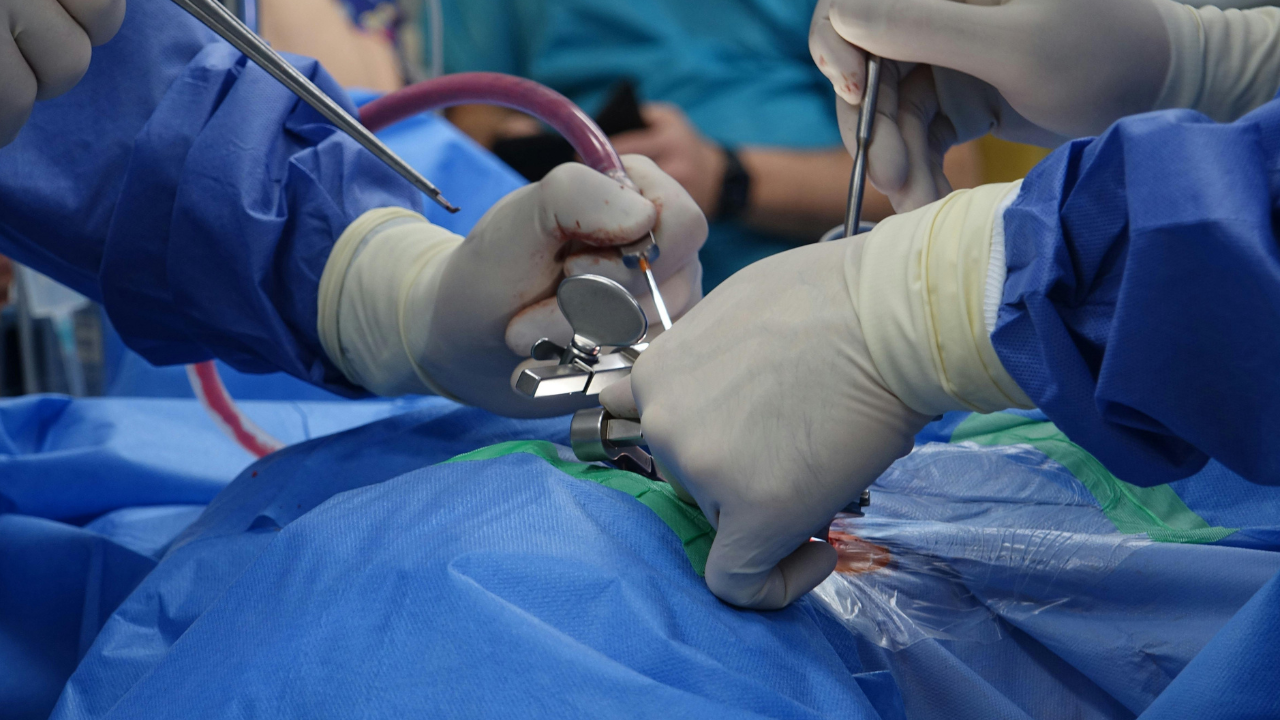
Stem Cell Therapy for Spinal Osteoarthritis
Stem cell therapy for spinal osteoarthritis offers a regenerative approach that targets damaged spinal joints, reduces inflammation, and supports natural tissue repair. Using umbilical cord–derived mesenchymal stem cells, this innovative treatment aims to improve mobility, decrease pain, and enhance overall spinal health.
Spinal osteoarthritis is a degenerative condition that affects the joints of the spine. It occurs when cartilage, joint capsules, ligaments, discs, and surrounding spinal structures gradually wear down due to aging, repetitive strain, previous injuries, poor posture, genetic factors, or long-term mechanical overload. As the protective joint surfaces become irritated or weakened, patients may experience pain, stiffness, reduced mobility, muscle spasms, and difficulty performing daily activities.
Spinal osteoarthritis can affect the neck, mid-back, or lower back. It is commonly associated with facet joint degeneration, disc height loss, bone spur formation, inflammation, and reduced spinal flexibility. Although the condition can affect adults of different ages, its impact often becomes more noticeable over time, especially when pain begins to limit walking, sitting, standing, sleeping, working, or exercising.
Conventional treatments for spinal osteoarthritis may include physical therapy, anti-inflammatory medications, posture correction, exercise, weight management, spinal injections, medial branch blocks, radiofrequency ablation, and in selected severe cases surgical evaluation. These approaches may help many patients manage symptoms. However, some individuals continue to experience chronic or recurrent pain despite standard care.
Regenerative medicine, including stem cell therapy, platelet-rich plasma, and exosome-supported protocols, is being explored as a supportive option for selected patients. The goal is to help regulate inflammation, support tissue repair signaling, improve the biological environment around affected spinal joints, and assist long-term mobility. Stem cell therapy should not be described as a guaranteed cure for spinal osteoarthritis, guaranteed cartilage regrowth, or a guaranteed way to avoid surgery.
Stemcell Consultancy provides personalized regenerative treatment planning for eligible patients with spinal osteoarthritis. The approach focuses on careful diagnosis, safety, realistic expectations, minimally invasive planning, rehabilitation support, and structured follow-up.
What Is Spinal Osteoarthritis?
Spinal osteoarthritis is a form of degenerative arthritis that affects the small joints and supporting structures of the spine. The spine contains multiple joints that allow movement, stability, and shock absorption. When these joints become worn, inflamed, or overloaded, pain and stiffness may develop.
The facet joints are especially important in spinal osteoarthritis. These small joints are located at the back of the spine and help guide movement during bending, twisting, standing, and walking. When the cartilage inside these joints breaks down, the joint capsule may become inflamed and surrounding muscles may tighten to protect the spine.
Spinal osteoarthritis may occur together with other spinal conditions such as degenerative disc disease, spinal stenosis, facet syndrome, spondylosis, bone spurs, or nerve irritation. Because symptoms may overlap, accurate diagnosis is essential before choosing any treatment.
How Spinal Osteoarthritis Affects the Spine
Spinal osteoarthritis can affect different structures at the same time. Cartilage thinning, joint capsule irritation, disc degeneration, ligament thickening, and bone spur formation may all contribute to pain and reduced mobility.
The condition may affect the spine by causing:
- Inflammation around facet joints
- Cartilage thinning inside spinal joints
- Reduced joint flexibility
- Bone spur formation
- Disc height loss and increased load on facet joints
- Muscle guarding and spasms
- Stiffness after rest or prolonged sitting
- Reduced ability to bend, twist, or extend the spine
- Narrowing around spinal nerves in some cases
- Chronic mechanical back or neck pain
When inflammation and stiffness continue, patients may move less, which can lead to muscle weakness, poor posture, deconditioning, and further spinal stress.
Types of Spinal Osteoarthritis
Spinal osteoarthritis may occur in different regions of the spine. Symptoms and treatment planning may vary depending on the affected area.
Cervical Spinal Osteoarthritis
Cervical spinal osteoarthritis affects the neck. It may cause neck pain, stiffness, reduced ability to turn the head, headaches, shoulder-region discomfort, muscle tightness, or pain that worsens with prolonged screen use or poor posture.
In some cases, cervical degeneration may contribute to nerve irritation, causing arm pain, numbness, tingling, or weakness. These symptoms require careful neurological evaluation.
Thoracic Spinal Osteoarthritis
Thoracic spinal osteoarthritis affects the mid-back. It may cause localized pain between the shoulder blades, stiffness, discomfort with twisting, or pain during prolonged sitting. Thoracic pain should be evaluated carefully because it may also come from ribs, muscles, discs, nerves, or internal medical conditions.
Lumbar Spinal Osteoarthritis
Lumbar spinal osteoarthritis affects the lower back and is one of the most common forms. It may cause lower back pain, stiffness, muscle spasms, pain with standing or walking, and discomfort when extending or rotating the spine.
Lumbar spinal osteoarthritis may also contribute to referred pain toward the buttocks, hips, or thighs. If pain travels below the knee or is associated with numbness or weakness, nerve compression should also be evaluated.
Common Symptoms of Spinal Osteoarthritis
Symptoms of spinal osteoarthritis can be mild, moderate, or severe. Some people have imaging findings of arthritis without major pain, while others have significant symptoms that affect daily life.
Common symptoms include:
- Chronic neck, mid-back, or lower back pain
- Morning stiffness
- Stiffness after sitting or resting
- Pain that worsens with extension, twisting, or prolonged standing
- Reduced spinal flexibility
- Muscle spasms or tightness
- Localized tenderness near the spine
- Pain that improves temporarily with rest or position changes
- Difficulty walking, bending, lifting, or turning
- Reduced work, exercise, or daily activity tolerance
- Headaches in some cervical cases
- Buttock, hip, or thigh discomfort in some lumbar cases
Spinal osteoarthritis may become more noticeable during flare-ups. These may occur after overuse, poor posture, heavy lifting, prolonged sitting, weight gain, stress, or reduced physical activity.
What Causes Spinal Osteoarthritis?
Spinal osteoarthritis usually develops from a combination of age-related changes, repeated mechanical stress, inflammation, genetic factors, and lifestyle influences.
Common causes and risk factors include:
- Aging: Cartilage, discs, ligaments, and connective tissues may lose resilience over time.
- Repetitive strain: Frequent lifting, twisting, bending, or heavy physical work may overload spinal joints.
- Previous injury: Falls, sports injuries, whiplash, or car accidents may accelerate joint degeneration.
- Poor posture: Prolonged sitting, forward head posture, or excessive lumbar extension may increase spinal stress.
- Disc degeneration: Loss of disc height can increase load on facet joints.
- Genetic tendency: Some patients are more prone to early degenerative changes.
- Obesity: Excess weight may increase load on the lumbar spine and contribute to inflammation.
- Weak core and spinal muscles: Poor muscular support may increase joint overload.
- Sedentary lifestyle: Reduced movement can worsen stiffness and weakness.
- Inflammatory and metabolic factors: Diabetes, metabolic syndrome, and chronic inflammation may affect tissue health.
Long-term improvement usually requires addressing both the painful joint and the mechanical factors that continue to overload the spine.
Spinal Osteoarthritis vs. Degenerative Disc Disease
Spinal osteoarthritis and degenerative disc disease are related but different conditions. Spinal osteoarthritis mainly involves the joints of the spine, especially the facet joints. Degenerative disc disease involves the discs between vertebrae losing hydration, height, and flexibility.
These conditions often occur together. When discs lose height, more pressure may be transferred to facet joints. When facet joints become inflamed, surrounding muscles may tighten and increase pressure on discs. Because the spine functions as a connected system, treatment should evaluate all potential pain sources.
How Is Spinal Osteoarthritis Diagnosed?
Diagnosis begins with a detailed medical history and physical examination. The specialist evaluates pain location, symptom duration, movement triggers, posture, spinal range of motion, neurological findings, previous injuries, previous treatments, and daily activity limitations.
Diagnostic evaluation may include:
- Physical examination of the spine
- Range of motion testing
- Posture and gait assessment
- Strength, reflex, and sensation testing
- Pain provocation with extension and rotation
- X-ray to evaluate joint degeneration, alignment, and bone spurs
- MRI to assess discs, nerves, soft tissues, stenosis, and inflammation
- CT scan in selected structural cases
- Diagnostic facet joint injection in selected patients
- Medial branch block to confirm facet-related pain pathways
A medial branch block may help determine whether the nerves supplying the facet joints are contributing to pain. If the block provides significant temporary relief, radiofrequency ablation may be considered in selected patients.
When Should Back or Neck Pain Be Taken Seriously?
Most spinal osteoarthritis-related pain is not an emergency. However, some symptoms may indicate a more serious condition and require prompt medical evaluation.
Patients should seek urgent medical care if they experience:
- Progressive arm or leg weakness
- Loss of bladder or bowel control
- Numbness in the groin or saddle area
- Severe pain after trauma or fall
- Fever, chills, or signs of infection
- Unexplained weight loss
- History of cancer with new spinal pain
- Severe night pain that does not improve with rest
- Rapidly worsening neurological symptoms
- Difficulty walking due to weakness or balance loss
Regenerative therapy should not be considered before serious causes of spinal pain are ruled out.
Conventional Treatment Options for Spinal Osteoarthritis
Conventional treatment depends on pain severity, spinal region, neurological findings, imaging results, functional limitation, and overall health. Many patients improve with conservative care.
Common treatment options include:
- Physical therapy
- Core strengthening
- Posture correction
- Mobility and flexibility exercises
- Low-impact exercise such as walking or swimming
- Weight management when appropriate
- Activity modification
- Heat or cold therapy
- Nonsteroidal anti-inflammatory medications when appropriate
- Muscle relaxants in selected cases
- Topical pain-relieving medications
- Facet joint injections in selected patients
- Medial branch blocks for diagnosis and treatment planning
- Radiofrequency ablation for selected chronic facet-mediated pain
- Epidural injections when nerve inflammation is present
- Surgical evaluation in severe structural or neurological cases
Swimming and water-based exercise may be helpful for some patients because water reduces spinal load while allowing movement, flexibility, and conditioning. Exercise should be adapted to the patient’s diagnosis, pain level, and physical capacity.
Limitations of Traditional Treatments
Traditional treatments may help control symptoms, but some patients continue to experience chronic or recurrent pain. This may happen when joint inflammation, cartilage wear, disc height loss, poor posture, muscle weakness, or spinal overload continues.
Common limitations include:
- Pain medications may reduce symptoms but do not rebuild damaged joint cartilage.
- Rest may help flare-ups but can worsen stiffness and weakness if prolonged.
- Physical therapy requires consistency and may take time to improve spinal mechanics.
- Facet injections may provide temporary relief but may not correct long-term mechanical stress.
- Radiofrequency ablation may reduce pain signals but does not regenerate cartilage or reverse arthritis.
- Surgery may be necessary in selected severe cases but involves recovery time and potential risks.
For selected patients, regenerative therapy may be explored as a supportive option focused on inflammation modulation, tissue repair signaling, and spinal joint environment support.
How Stem Cell Therapy May Support Spinal Osteoarthritis
Stem cell therapy for spinal osteoarthritis commonly focuses on mesenchymal stem cells, also known as MSCs. These cells are being studied for their anti-inflammatory, immunomodulatory, and tissue-supporting properties. Their potential benefit is mainly related to biological signaling rather than simple replacement of damaged spinal joints.
At Stemcell Consultancy, umbilical cord-derived allogeneic MSCs may be considered in selected protocols after medical evaluation. These cells are prepared under controlled laboratory conditions and evaluated for quality, viability, sterility, and suitability according to the treatment plan.
In spinal osteoarthritis-focused regenerative protocols, MSCs may help support:
- Inflammation modulation around affected spinal joints
- Repair signaling in joint capsules and surrounding soft tissues
- Cellular communication in damaged tissue environments
- Support for cartilage and connective tissue health
- Reduction of local inflammatory stress in selected patients
- Improved biological environment around facet joints
- Spinal comfort and mobility when combined with rehabilitation
Stem cell therapy should not be described as a guaranteed cure for spinal osteoarthritis. It cannot promise complete cartilage regrowth, full reversal of arthritis, permanent pain elimination, or guaranteed avoidance of surgery.
Can Stem Cells Regenerate Spinal Joint Cartilage?
Complete cartilage regeneration cannot be guaranteed. Cartilage has limited natural healing capacity, and spinal joints are exposed to continuous mechanical stress. MSC-based therapy is being explored because it may support repair signaling, inflammation regulation, and the joint microenvironment.
In selected patients, possible outcomes may include reduced pain, less stiffness, improved movement tolerance, and better daily function. However, severe joint degeneration, advanced spinal instability, major nerve compression, severe stenosis, or structural deformity may limit expected benefit.
Patients should be cautious of claims promising guaranteed spinal joint regeneration, permanent cure, or complete avoidance of standard medical care.
The Role of PRP and Exosome-Supported Protocols
In selected spinal osteoarthritis cases, regenerative protocols may include platelet-rich plasma, exosomes, or growth factor-supported approaches depending on diagnosis, tissue condition, and medical suitability.
PRP is prepared from the patient’s own blood and contains concentrated platelets and growth factors. It may support tissue repair signaling and inflammation modulation in selected musculoskeletal protocols.
Exosomes are extracellular vesicles involved in cell-to-cell communication. They are being studied for their potential role in inflammation regulation, tissue repair signaling, and cellular communication.
Growth factors may influence healing activity, collagen remodeling, and soft tissue response in selected cases.
These supportive therapies are not required for every patient. Their use should be discussed transparently, including product source, safety testing, regulatory status, expected benefits, and limitations.
Stem Cell Therapy for Cervical, Thoracic, and Lumbar Spinal Osteoarthritis
Cervical Spinal Osteoarthritis
Cervical spinal osteoarthritis may cause neck stiffness, headaches, shoulder-region discomfort, and difficulty turning the head. Regenerative therapy may be considered in selected chronic non-emergency cases to support inflammation regulation and joint-related tissue repair signaling.
Rehabilitation should focus on deep neck flexor strength, posture correction, shoulder blade stability, ergonomic improvements, and safe range of motion exercises.
Thoracic Spinal Osteoarthritis
Thoracic spinal osteoarthritis may cause mid-back pain, stiffness, or discomfort with rotation and extension. Because thoracic pain can sometimes be related to non-spinal causes, careful diagnosis is important before treatment.
Rehabilitation may include posture training, thoracic mobility exercises, breathing mechanics, shoulder blade control, and gradual strengthening.
Lumbar Spinal Osteoarthritis
Lumbar spinal osteoarthritis may cause lower back pain, stiffness, buttock discomfort, and reduced walking or standing tolerance. Regenerative therapy may be considered in selected non-surgical cases, especially when pain appears related to facet joint inflammation and surrounding soft tissue stress.
Rehabilitation should focus on core stabilization, hip and gluteal strengthening, walking tolerance, safe lifting mechanics, and weight management when appropriate.
Our Expertise in Stem Cell Treatment for Spinal Osteoarthritis
Stemcell Consultancy provides regenerative treatment planning with a focus on patient selection, medical safety, laboratory quality, and realistic expectations. Not every patient is eligible for stem cell therapy. Before acceptance, medical history, imaging results, previous treatments, current symptoms, and diagnostic findings are reviewed carefully.
If the specialist determines that the risks outweigh the potential benefits, regenerative therapy may not be recommended. This process helps prevent unrealistic expectations and ensures that each patient receives the most appropriate care pathway.
The approach includes:
- Detailed spinal assessment
- Review of imaging and diagnostic results
- Evaluation of spinal osteoarthritis severity
- Assessment for nerve compression or urgent red flags
- Personalized treatment planning
- Quality-focused MSC preparation when appropriate
- Minimally invasive application planning
- Rehabilitation and lifestyle guidance
- Structured follow-up after treatment
Our 5-Step Stem Cell Therapy Process in Istanbul
Step 1: Specialist Medical Assessment
The specialist evaluates medical history, age, spinal imaging, previous treatments, pain pattern, neurological symptoms, medications, activity level, and overall health. Additional diagnostic results may be requested before approval.
The assessment may include:
- Review of cervical, thoracic, or lumbar symptoms
- Physical examination
- Range of motion testing
- Neurological screening
- Review of MRI, X-ray, CT, or previous reports
- Assessment of facet joint involvement
- Evaluation of disc degeneration, stenosis, or instability
- Review of previous injections, medications, or physical therapy
- Discussion of realistic goals and expectations
Step 2: Free Consultation Call
After the case is reviewed, treatment options, procedure details, expected outcomes, limitations, follow-up requirements, and pricing are discussed. Patients can ask questions and understand whether regenerative therapy may be appropriate for their condition.
This step is important for informed decision-making. Stem cell therapy for spinal osteoarthritis should be understood as supportive and investigational in many settings, not as a guaranteed cure.
Step 3: Stem Cell Preparation
Once the patient decides to proceed and is approved for treatment, umbilical cord-derived MSCs are prepared under controlled laboratory conditions. Preparation may take several days depending on availability, protocol design, and quality control requirements.
The preparation process may include:
- Selection and preparation of allogeneic MSCs
- Cell viability testing
- Sterility and contamination controls
- Identity and quality confirmation
- Documentation according to applicable standards
- Final protocol review before administration
Step 4: Treatment Day
On treatment day, the patient may arrive at the hospital independently or use transportation support within Istanbul when available. The therapy is performed in a controlled medical environment by qualified specialists.
The treatment day may include:
- Pre-treatment medical check
- Review of symptoms and medications
- Vital sign monitoring
- Sterile preparation of the treatment area
- Targeted application according to the personalized protocol
- Image-guided application planning in selected cases
- Observation after the procedure
- Post-treatment instructions
The procedure is generally planned as minimally invasive, but all medical interventions carry risks. Patients should receive clear information about possible side effects and aftercare before treatment.
Step 5: Post-Treatment Follow-Up
Follow-up is an essential part of spinal osteoarthritis care. The follow-up team monitors progress according to the established schedule and provides guidance on rehabilitation, activity modification, posture, and long-term spinal health.
Follow-up may include:
- Pain and stiffness tracking
- Range of motion assessment
- Walking, sitting, and standing tolerance review
- Medication use review
- Physical therapy progression
- Monitoring for side effects or unexpected symptoms
- Long-term recurrence prevention planning
Potential Benefits of Stem Cell Therapy for Spinal Osteoarthritis
Stem cell therapy may offer supportive benefits for selected patients with spinal osteoarthritis. Individual results vary and should be monitored carefully.
Potential benefits may include:
- Inflammation modulation: MSC-related signaling may help regulate inflammatory activity around affected joints.
- Reduced pain burden: Some patients may experience less discomfort and improved movement tolerance.
- Improved spinal mobility: Reduced stiffness and better tissue function may support easier movement.
- Joint environment support: MSCs may support cellular communication and tissue repair signaling.
- Soft tissue support: Surrounding ligaments, capsules, fascia, and muscles may benefit from a healthier biological environment.
- Minimally invasive approach: The procedure may be performed without large incisions or joint replacement surgery.
- Rehabilitation compatibility: Regenerative therapy may be combined with physical therapy and strengthening programs.
- Quality-of-life support: Improved comfort may help patients return to daily activities with greater confidence.
These benefits are potential outcomes and should not be interpreted as guaranteed results. Chronic spinal osteoarthritis usually requires ongoing posture correction, strengthening, lifestyle changes, and follow-up care.
Can Stem Cell Therapy Reduce the Need for Surgery?
In selected non-surgical cases, regenerative therapy may help improve comfort and function, which may reduce the need for more invasive interventions for some patients. However, it cannot guarantee avoidance of surgery.
Patients with severe spinal instability, progressive neurological weakness, severe spinal stenosis, deformity, or major structural compression may require orthopedic or neurosurgical evaluation.
The decision should be based on diagnosis, imaging, functional goals, neurological status, medical suitability, and patient preference after a clear discussion of benefits and limitations.
Who May Be a Suitable Candidate?
Stem cell therapy may be considered only after detailed medical evaluation. It is not automatically suitable for every patient with back or neck pain.
Potential candidates may include individuals who:
- Have diagnosed spinal osteoarthritis or facet joint degeneration
- Have chronic neck, mid-back, or lower back pain despite conservative care
- Have pain related to inflammation and joint degeneration without urgent surgical indication
- Have reduced mobility or quality of life due to spinal stiffness and discomfort
- Want to explore minimally invasive supportive options
- Are medically stable for a regenerative procedure
- Have realistic expectations about gradual improvement
- Are willing to follow rehabilitation and lifestyle guidance
- Can attend follow-up monitoring
The best candidates are usually patients with a clear diagnosis, stable medical condition, measurable functional goals, and willingness to correct mechanical factors contributing to spinal overload.
Who May Not Be Suitable?
Stem cell therapy may be postponed or avoided in certain situations, especially when another spinal condition requires urgent or different treatment.
Patients may not be suitable if they have:
- Unclear diagnosis or suspected serious spinal disease
- Progressive neurological weakness
- Loss of bladder or bowel control
- Severe spinal instability requiring surgical evaluation
- Severe spinal stenosis with neurological compromise
- Active infection
- Active cancer or certain cancer histories
- Severe uncontrolled diabetes
- Severe uncontrolled autoimmune disease
- Blood clotting disorders
- Use of blood thinners that cannot be safely managed
- Recent major surgery without recovery
- Severe systemic disease increasing procedural risk
- Pregnancy or breastfeeding
- Unrealistic expectations of guaranteed cure or permanent pain relief
In these cases, additional imaging, neurology evaluation, orthopedic or neurosurgical consultation, infection treatment, or medical stabilization may be needed before regenerative therapy is considered.
Recovery Timeline and Expectations
Response time varies depending on spinal region, osteoarthritis stage, inflammation level, nerve involvement, muscle strength, age, body weight, activity habits, and rehabilitation compliance. Stem cell therapy does not usually work like an immediate painkiller; regenerative signaling and tissue recovery take time.
A general timeline may include:
- First few days: Mild soreness, temporary stiffness, or sensitivity may occur around the treated area.
- First 2-6 weeks: Some patients may notice reduced pain, less stiffness, or easier movement.
- 6-12 weeks: Sitting, standing, walking, turning, or daily activity tolerance may improve more clearly in selected patients.
- 3-6 months: Continued tissue support, inflammation regulation, and functional improvement may occur with rehabilitation.
Patients should track pain level, stiffness, walking distance, sitting tolerance, medication use, sleep comfort, and activity limitations before and after treatment.
Safety and Possible Side Effects
Stem cell therapy for spinal osteoarthritis should be performed only after proper diagnosis and medical evaluation. Safety depends on patient selection, cell source, laboratory quality, sterility testing, application method, imaging guidance when used, dose, and clinical follow-up.
Possible temporary effects may include:
- Mild soreness at the application site
- Temporary swelling or sensitivity
- Bruising
- Short-term increase in local discomfort
- Temporary stiffness
- Fatigue in some patients
- Rare infection, bleeding, allergic, or inflammatory reaction risk
Patients should seek medical attention if they experience fever, spreading redness, severe swelling, severe worsening pain, new neurological weakness, numbness, loss of bladder or bowel control, allergic reaction, or unexpected symptoms after treatment.
Rehabilitation After Stem Cell Therapy
Rehabilitation is one of the most important parts of long-term improvement. Stem cell therapy may support biological repair signaling, but spinal function depends strongly on posture, muscle control, mobility, and gradual loading.
Rehabilitation may include:
- Core stabilization exercises
- Deep neck flexor strengthening for cervical cases
- Hip and gluteal strengthening for lumbar cases
- Posture correction
- Mobility and flexibility exercises
- Safe lifting and bending education
- Gait and movement retraining
- Ergonomic guidance for desk work
- Swimming or water-based exercise when appropriate
- Gradual return to exercise
- Weight management support when relevant
Patients should avoid heavy lifting, sudden twisting, aggressive spinal extension, high-impact activity, or prolonged positions that trigger pain during early recovery unless cleared by the medical team.
How to Prevent Spinal Osteoarthritis Flare-Ups
Long-term spinal health depends on reducing repeated stress on the spinal joints and surrounding structures. Even after symptoms improve, poor mechanics, weak muscles, excess weight, and repetitive loading may cause recurrence.
Helpful prevention strategies include:
- Maintaining core and back strength
- Improving posture during sitting and standing
- Avoiding prolonged static positions
- Taking regular breaks during desk work
- Using proper lifting mechanics
- Maintaining healthy body weight
- Improving hip, thoracic, and shoulder mobility
- Avoiding smoking
- Gradually increasing exercise intensity
- Using supportive sleep and work ergonomics
- Continuing maintenance exercises after recovery
- Seeking early care when symptoms return
A prevention plan should be personalized according to the affected spinal region, occupation, activity level, posture, and imaging findings.
Questions to Ask Before Stem Cell Therapy for Spinal Osteoarthritis
Before starting treatment, patients should receive clear answers to important questions.
- What is the exact cause of my spinal pain?
- Is my pain coming from facet joints, discs, nerves, muscles, or another source?
- What stage of spinal osteoarthritis do I have?
- Is stem cell therapy appropriate for my condition?
- Is the treatment approved, investigational, or protocol-based in my situation?
- What cell source will be used?
- What sterility and viability tests are performed?
- Will image guidance be used?
- What benefits are realistic for my case?
- What risks should I understand?
- How will my progress be measured?
- Will I still need physical therapy?
- Could I still need injections, RFA, or surgery in the future?
These questions help patients make informed decisions and avoid unrealistic treatment expectations.
Why Choose Stemcell Consultancy?
Stemcell Consultancy provides personalized regenerative treatment planning for patients with spinal osteoarthritis and chronic spinal pain. The approach focuses on careful diagnosis, realistic expectations, quality-focused preparation, minimally invasive planning, and structured follow-up.
Key advantages include:
- Personalized evaluation of spinal osteoarthritis symptoms
- Review of medical history, imaging, and previous treatments
- Regenerative protocols planned according to patient suitability
- Umbilical cord-derived allogeneic MSC-based protocols when medically appropriate
- PRP or exosome-supported options in selected cases
- Image-guided application planning when suitable
- Minimally invasive treatment approach
- Transparent explanation of potential benefits and limitations
- Rehabilitation and posture guidance
- Follow-up monitoring and recovery support
The goal is to help patients reduce pain, restore comfort, improve spinal mobility, and return to daily life with greater confidence through responsible regenerative care.
Frequently Asked Questions About Stem Cell Therapy for Spinal Osteoarthritis
Can stem cell therapy cure spinal osteoarthritis?
Stem cell therapy should not be described as a guaranteed cure. It may support inflammation regulation and tissue repair signaling in selected patients, but results vary depending on degeneration severity, spinal mechanics, nerve involvement, rehabilitation, and overall health.
Can stem cells regrow spinal cartilage?
Complete cartilage regrowth cannot be guaranteed. MSC therapy may support the joint environment and repair signaling, but advanced degeneration or severe structural changes may limit expected benefit.
Is spinal osteoarthritis the same as facet syndrome?
They are closely related. Facet syndrome refers to pain coming from the facet joints, while spinal osteoarthritis describes degenerative arthritis affecting spinal joints and surrounding structures.
How is spinal osteoarthritis diagnosed?
Diagnosis may include medical history, physical examination, neurological testing, X-ray, MRI, CT scan, and sometimes diagnostic injections or medial branch blocks when facet joint pain is suspected.
Can stem cell therapy replace radiofrequency ablation?
Not always. Radiofrequency ablation targets pain signals from selected nerves, while stem cell therapy aims to support the biological environment around affected tissues. The best option depends on diagnosis and medical evaluation.
Is the procedure painful?
The procedure is generally minimally invasive. Some patients may feel pressure, soreness, or temporary sensitivity around the application area. Comfort measures may be used when appropriate.
How long does it take to see improvement?
Some patients may notice improvement within several weeks, while others may require a few months. Inflammation modulation, tissue support, and functional recovery are gradual processes.
Can PRP be combined with stem cell therapy?
PRP may be combined with stem cell therapy in selected cases to support tissue repair signaling and joint environment support. The decision depends on diagnosis, tissue condition, and physician recommendation.
Are exosomes used for spinal osteoarthritis?
Exosomes may be discussed in selected regenerative protocols because of their role in cellular communication and inflammation modulation. Their use should be evaluated individually and explained transparently.
Do I still need physical therapy?
In many cases, yes. Physical therapy helps restore core strength, posture, spinal mobility, and movement control. These factors are important for reducing recurrence risk.
Can spinal osteoarthritis pain return after treatment?
Yes. Symptoms may return if spinal overload, poor posture, weak core muscles, obesity, repetitive lifting, or ongoing degeneration are not addressed.
Who should avoid this treatment?
Patients with active infection, progressive neurological weakness, severe spinal instability, active cancer, blood clotting disorders, pregnancy, unclear diagnosis, or unrealistic expectations may not be suitable.
Can stem cell therapy prevent surgery?
In selected non-surgical cases, regenerative therapy may help support comfort and function, but it cannot guarantee avoidance of surgery. Patients with severe instability, neurological compromise, or structural deformity may require specialist evaluation.
Supporting Your Journey to Better Spinal Health
Spinal osteoarthritis can significantly affect movement, posture, comfort, sleep, work capacity, and quality of life. Because the condition may involve facet joint degeneration, inflammation, cartilage wear, disc height loss, muscle guarding, poor posture, and spinal overload, treatment should be comprehensive and personalized.
Stem cell therapy is being explored as a supportive regenerative option for selected spinal osteoarthritis patients by focusing on inflammation modulation, tissue repair signaling, spinal joint comfort, and functional improvement. However, it should always be approached with realistic expectations, accurate diagnosis, medical supervision, and a clear rehabilitation plan.
Stemcell Consultancy provides individualized evaluation, regenerative treatment planning, and structured follow-up for eligible patients seeking advanced supportive options for spinal osteoarthritis and chronic spinal pain.
Patients interested in stem cell therapy for spinal osteoarthritis can contact Stemcell Consultancy to begin a personalized evaluation and learn whether a regenerative protocol may be suitable for their spinal health needs.
This content is for informational purposes only and does not replace medical diagnosis, orthopedic care, spine specialist evaluation, or professional medical advice. Spinal osteoarthritis and chronic back or neck pain may have different causes and should be evaluated by qualified healthcare professionals. Stem cell, PRP, exosome, and other regenerative approaches may not be suitable for everyone, and outcomes can vary depending on diagnosis, degeneration severity, nerve involvement, spinal mechanics, medical history, treatment protocol, rehabilitation, and follow-up care.
Quick Question