
Dendritic Cell Therapy: A Pioneering Immunotherapy for Cancer Treatmens
Dendritic Cell Therapy: A Pioneering Immunotherapy for Cancer Treatmens
Dendritic cell therapy is a personalized immunotherapy that uses the patient’s own immune cells to target and destroy cancer cells. Stemcell Consultancy provides this advanced treatment with high success rates, modern laboratory technology, and expert medical teams.
Dendritic cell therapy is one of the most personalized approaches in cancer immunotherapy. It is designed to help the immune system recognize cancer-related antigens and activate a targeted immune response against malignant cells. Because dendritic cells act as immune system “instructors,” they play a central role in connecting the innate and adaptive immune systems.
In cancer care, dendritic cell therapy is often described as a personalized cancer vaccine approach. The patient’s own immune cells are collected, processed in a laboratory, exposed to tumor-related antigens, matured, and then reintroduced into the body to help activate cancer-specific T-cell responses.
This therapy has gained attention for patients with certain advanced, recurrent, or treatment-resistant cancers, including selected cases of prostate cancer, melanoma, glioblastoma, lung cancer, breast cancer, pancreatic cancer, colorectal cancer, renal cell carcinoma, and other solid tumors. However, dendritic cell therapy should not be described as a guaranteed cure. Its suitability and potential benefit depend on cancer type, disease stage, tumor biology, previous treatments, immune status, antigen selection, and the specific protocol used.
Stemcell Consultancy provides personalized cellular immunotherapy planning using advanced laboratory technologies, patient-specific evaluation, and medically supervised protocols. The goal is to help suitable patients explore dendritic cell-based immunotherapy as part of a broader oncology care strategy.
What Is Dendritic Cell Therapy?
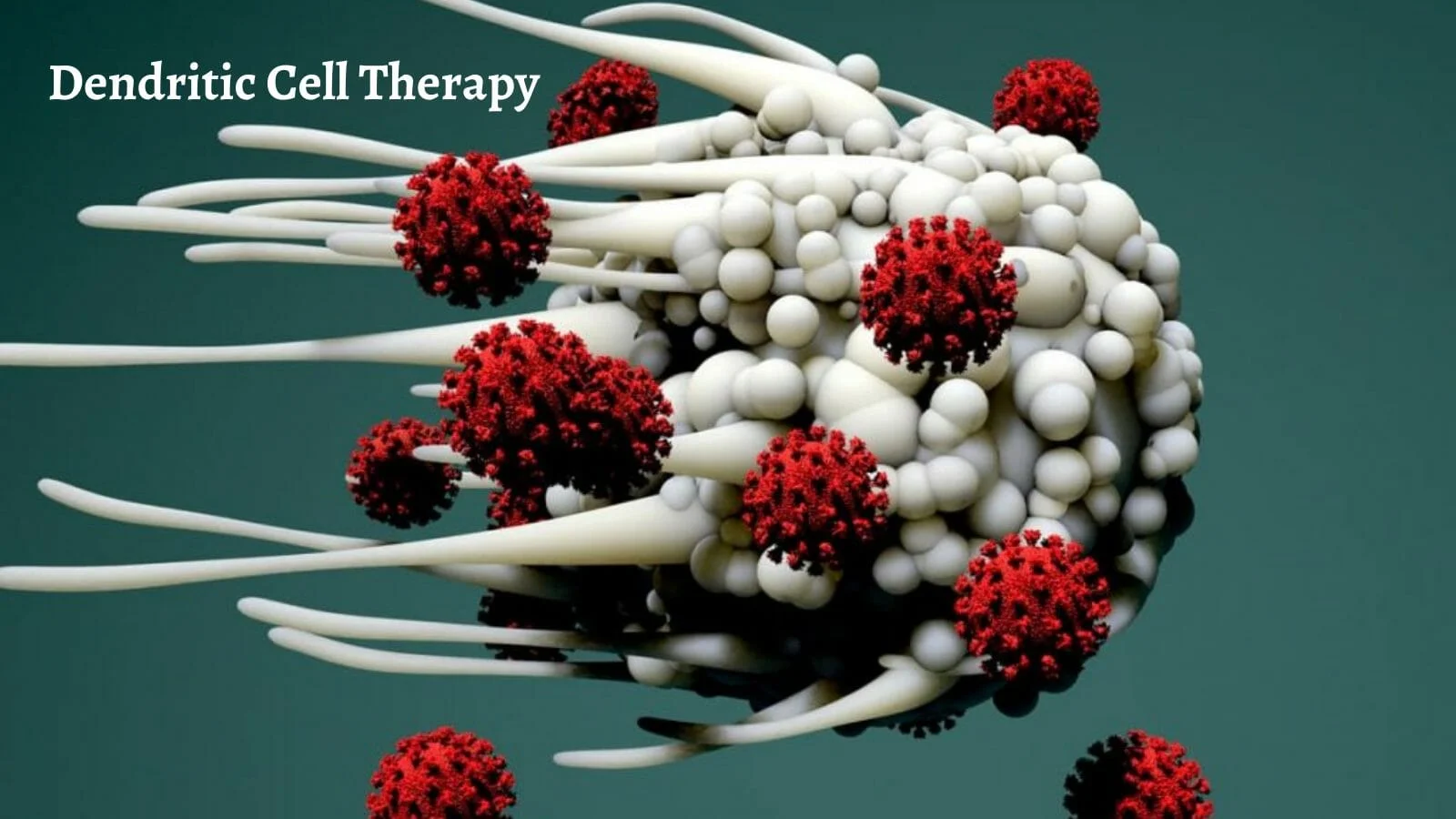
Dendritic cells are specialized immune cells that capture, process, and present antigens to T cells. In simple terms, they show the immune system what to attack. This is why they are often called the “instruction cells” or “antigen-presenting cells” of the immune system.
Dendritic cell therapy involves collecting immune precursor cells from the patient, developing them into dendritic cells in a laboratory, exposing them to tumor-associated or tumor-specific antigens, and then administering them back to the patient as a personalized therapeutic vaccine.
The purpose is to train the immune system to better recognize cancer cells and support a more focused anti-tumor response. Unlike general immune stimulation, dendritic cell therapy aims to generate a targeted immune reaction against cancer-related markers.
How Do Dendritic Cells Work in the Immune System?
Dendritic cells act as messengers between cancer cells and immune fighter cells. They collect information from abnormal cells, process that information, and present it to T cells in a way that helps the immune system identify harmful targets.
The basic immune process includes:
- Antigen capture: Dendritic cells collect tumor-related proteins or fragments.
- Antigen processing: These tumor-related signals are prepared for immune presentation.
- Antigen presentation: Dendritic cells present the antigen to T cells.
- T-cell activation: T cells become activated and may attack cells carrying the same cancer-related antigen.
- Immune memory: In some cases, the immune system may develop longer-term recognition of tumor-related targets.
This mechanism is the foundation of dendritic cell vaccine therapy. The goal is to help the patient’s immune system recognize cancer cells more clearly and respond more effectively.
Dendritic Cell Therapy as a Personalized Cancer Vaccine
Dendritic cell therapy is often called a personalized cancer vaccine because it is prepared using immune cells and tumor-related information specific to the patient. This makes it different from preventive vaccines such as HPV or hepatitis B vaccines, which are used to prevent infection-related cancers.
A therapeutic cancer vaccine is used after cancer has already developed. Its aim is to help the immune system identify and attack cancer cells. Dendritic cell therapy belongs to this category.
The treatment may use:
- Tumor-associated antigens
- Tumor-specific neoantigens
- Tumor lysate from the patient’s tumor sample when available
- Peptide antigens
- RNA or protein-based antigen loading in selected protocols
- Combination antigen strategies depending on the cancer type
The choice of antigen is one of the most important factors in dendritic cell therapy. A well-matched antigen strategy may help create a more relevant immune response.
How Is Dendritic Cell Therapy Applied?
Dendritic cell therapy involves several carefully controlled medical and laboratory stages. Each step is important for safety, quality, and immune activation.
1. Specialist Evaluation
The process begins with a detailed medical evaluation. The patient’s cancer type, stage, pathology report, genetic or molecular test results, imaging findings, previous treatments, immune status, blood results, and overall health are reviewed.
The evaluation may include:
- Review of cancer diagnosis and stage
- Pathology and tumor marker analysis
- Previous surgery, chemotherapy, radiotherapy, targeted therapy, or immunotherapy history
- Recent imaging reports
- Blood count and immune profile
- Liver and kidney function tests
- Infection screening when required
- Performance status assessment
- Risk-benefit evaluation
This stage helps determine whether dendritic cell therapy may be appropriate and how it should be integrated with the patient’s oncology care.
2. Leukapheresis or Monocyte Collection
In many dendritic cell vaccine protocols, immune precursor cells are collected from the patient’s blood through leukapheresis. This process separates white blood cells, including monocytes, from the blood while the remaining blood components are returned to the patient.
Monocytes are then used as starting cells for developing dendritic cells in the laboratory. The collection process is generally performed under medical supervision and may take several hours depending on the protocol.
3. Antigen Loading
In the laboratory, dendritic cells are exposed to selected tumor antigens. This step is often described as “training” the dendritic cells to recognize cancer-related targets.
The antigen-loading strategy may depend on:
- Cancer type
- Tumor antigen profile
- Availability of tumor tissue
- Molecular testing results
- Patient-specific tumor markers
- Laboratory protocol
At Stemcell Consultancy, personalized planning may include tumor profiling and antigen selection when appropriate, with the goal of creating a more relevant immune response.
4. Maturation
After antigen loading, dendritic cells are matured in controlled laboratory conditions. Mature dendritic cells are better able to activate T cells and coordinate immune responses.
The maturation process may involve specific culture conditions and immune-stimulating signals. Quality control is essential during this stage to evaluate cell viability, sterility, identity, and function-related parameters.
5. Vaccination or Reinfusion
The personalized dendritic cell vaccine is then administered back to the patient. It may be given subcutaneously, intradermally, or through another medically appropriate route depending on the protocol.
The goal is to allow the dendritic cells to interact with the immune system and activate tumor-targeting T cells. Treatment is typically performed as an outpatient procedure and may involve multiple sessions.
6. Follow-Up and Immune Monitoring
After vaccination, patients are monitored for safety, immune response, symptoms, laboratory results, and cancer-related outcomes. Follow-up should also be coordinated with the oncology team.
Monitoring may include:
- Side effect assessment
- Blood tests
- Immune response markers when available
- Imaging according to oncology follow-up
- Tumor markers when relevant
- Performance status and quality-of-life tracking
- Evaluation for additional vaccine sessions when appropriate
Objective medical monitoring is necessary because symptom improvement alone is not enough to confirm cancer response.
Which Cancers May Be Considered for Dendritic Cell Therapy?
Dendritic cell therapy has been studied in several cancer types. Suitability depends on tumor biology, antigen availability, disease stage, immune status, and previous treatments.
Potential cancer types that may be evaluated include:
- Prostate cancer: Dendritic cell-based immunotherapy has an established example in advanced prostate cancer through sipuleucel-T in selected patients.
- Melanoma: Dendritic cell vaccines have been studied in melanoma because of its immune-responsive biology.
- Glioblastoma: Personalized vaccine approaches are being explored in aggressive brain tumors, usually within specialized protocols.
- Breast cancer: Selected subtypes, including triple-negative or metastatic cases, may be evaluated for immunotherapy strategies.
- Non-small cell lung cancer: Dendritic cell vaccines may be explored as part of broader immunotherapy research or combination strategies.
- Pancreatic cancer: Because pancreatic cancer is often resistant to immune attack, dendritic cell strategies are being studied in selected cases.
- Colorectal cancer: Certain tumor profiles may be considered, especially when immune-targetable features are present.
- Renal cell carcinoma: Immune-based approaches may be evaluated in selected patients.
Claims such as fixed remission percentages or guaranteed survival improvement should be avoided unless they are supported by patient-specific clinical evidence. Response rates vary widely across cancer types and clinical settings.
Why Tumor Profiling Matters
Tumor profiling can help identify which antigens or molecular features may be most relevant for a patient’s dendritic cell vaccine. Cancer is not the same in every patient, even when the tumor originates from the same organ.
Tumor profiling may help evaluate:
- Tumor-associated antigens
- Neoantigens
- Mutation profile
- Immune checkpoint expression
- Tumor mutational burden
- Microsatellite instability status
- PD-L1 expression when relevant
- Other immune-related markers
This information can support personalized immunotherapy planning and help determine whether dendritic cell therapy should be combined with other treatment approaches.
Dendritic Cell Therapy and Standard Cancer Treatments
Dendritic cell therapy should not be considered a replacement for standard oncology treatments when those treatments are medically indicated. Surgery, chemotherapy, radiotherapy, targeted therapy, hormone therapy, checkpoint inhibitors, and other evidence-based treatments may be essential depending on the cancer type and stage.
In selected cases, dendritic cell therapy may be integrated with standard treatments. Combination strategies may be considered because cancer can suppress immune responses through multiple mechanisms.
Possible combination approaches may include:
- Dendritic cell vaccine plus checkpoint inhibitor therapy in selected cases
- Dendritic cell therapy after surgery to support immune surveillance
- Combination with chemotherapy or radiotherapy depending on timing and immune status
- Combination with NK cell therapy or other cellular therapies in specialized protocols
- Supportive metabolic and nutritional care to improve treatment tolerance
Any combination must be coordinated with the oncology team to avoid unsafe timing, overlapping toxicities, or delays in proven cancer treatments.
Advantages of Dendritic Cell Therapy
Dendritic cell therapy may offer several potential advantages for selected patients, especially when the protocol is personalized and medically supervised.
- Personalized targeting: The vaccine can be prepared according to patient-specific tumor antigens.
- Immune activation: Dendritic cells help activate T cells against cancer-related targets.
- Outpatient administration: Many protocols can be performed without hospitalization.
- Potential immune memory: Some immune responses may support longer-term recognition of tumor antigens.
- Compatibility with other treatments: It may be considered alongside standard oncology care in selected patients.
- Lower systemic toxicity: Side effects may be milder than some conventional treatments, depending on the protocol.
- Patient-specific planning: Treatment can be adapted to cancer type, immune status, and clinical goals.
These potential advantages should not be interpreted as guaranteed outcomes. Clinical response depends on multiple factors, including tumor burden, immune suppression, antigen selection, and disease stage.
Possible Side Effects and Safety Considerations
Dendritic cell therapy is generally designed to activate the immune system in a targeted way, but side effects can occur. Safety depends on patient selection, cell collection, laboratory quality, antigen strategy, dose, administration route, and monitoring.
Possible side effects may include:
- Mild fever
- Fatigue
- Injection-site redness
- Local swelling or tenderness
- Chills
- Headache
- Flu-like symptoms
- Temporary muscle aches
- Immune-related symptoms in rare cases
Serious reactions are uncommon in many protocols, but they cannot be completely excluded. Patients should seek medical attention for high fever, severe allergic reaction, breathing difficulty, chest pain, neurological symptoms, confusion, or severe worsening of symptoms.
Patients should ask whether the therapy is approved, investigational, or offered under a specific regulatory framework in their country. They should also request information about laboratory standards, sterility testing, quality control, and medical follow-up.
Who May Be a Suitable Candidate?
Dendritic cell therapy may be considered for selected cancer patients after a detailed medical evaluation. It is not automatically suitable for every patient.
Potential candidates may include patients who:
- Have a confirmed cancer diagnosis under oncology care
- Have available tumor markers or tumor antigen information
- Have stable enough general health for cellular therapy
- Have adequate immune and blood cell status for collection and treatment
- Have completed or are coordinating standard treatment with an oncologist
- Are exploring personalized immunotherapy options
- Can attend repeated treatment and follow-up sessions
- Have realistic expectations about potential outcomes
- Understand the investigational or protocol-dependent nature of therapy
The best candidates are usually those with a clear diagnosis, measurable disease status, adequate performance level, and ongoing oncology supervision.
Who May Not Be Suitable?
Dendritic cell therapy may be postponed or avoided in certain situations, including:
- Uncontrolled active infection
- Very poor performance status
- Severe uncontrolled autoimmune disease
- Severe organ failure
- Unstable cardiovascular disease
- Severe liver or kidney dysfunction
- Uncontrolled bleeding disorder
- Severe bone marrow suppression
- Inability to undergo leukapheresis safely
- Recent major surgery without recovery
- Pregnancy or breastfeeding
- Rapidly progressing cancer requiring urgent standard treatment
- Severe cancer-related complications needing immediate medical care
- Unrealistic expectations of guaranteed remission
- Refusal to coordinate care with oncology specialists
In these cases, standard oncology care, stabilization, infection control, or alternative treatment planning may be prioritized.
When Can Results Be Expected?
Dendritic cell therapy works through immune activation, so responses may develop gradually. Unlike pain medication or surgery, the effect is not usually immediate. The immune system needs time to recognize antigens, activate T cells, and generate a measurable response.
A general monitoring timeline may include:
- First few days: Monitoring for fever, fatigue, injection-site reaction, or flu-like symptoms.
- First 2–6 weeks: Immune response and general tolerance may be reviewed.
- 6–12 weeks: Imaging, tumor markers, or clinical evaluation may help assess early disease trends.
- 3–6 months: Longer-term response patterns may become clearer depending on cancer type and treatment schedule.
Response should be assessed objectively through oncology follow-up, imaging, lab tests, tumor markers, and clinical evaluation. Feeling better is important, but it does not alone confirm tumor response.
Supportive Therapies at Stemcell Consultancy
Stemcell Consultancy may integrate supportive programs designed to improve overall well-being and treatment tolerance. These supportive strategies are not replacements for cancer treatment, but they may help patients maintain strength and quality of life.
Supportive care may include:
- Nutritional optimization
- Protein and calorie support when needed
- Psychological counseling
- Physical rehabilitation
- Comprehensive metabolic assessment
- Immune and inflammation status review
- Sleep and fatigue management
- Guidance on safe physical activity
- Coordination with oncology care
A holistic approach may help patients better tolerate treatment, maintain function, and support immune health in a medically responsible way.
Questions to Ask Before Dendritic Cell Therapy
Before starting dendritic cell therapy, patients should receive clear answers to important questions.
- Is this therapy appropriate for my cancer type and stage?
- Is it approved, investigational, or offered under a specific protocol?
- What antigens will be used for my vaccine?
- Will tumor profiling be performed?
- How are dendritic cells prepared and tested?
- What laboratory quality standards are followed?
- How many sessions may be needed?
- What side effects should I expect?
- How will response be measured?
- Can this be combined with my current oncology treatment?
- Will my oncologist be involved in the plan?
- What outcomes are realistic for my situation?
These questions help patients make informed decisions and avoid unrealistic treatment expectations.
Why Choose Stemcell Consultancy?
Stemcell Consultancy provides personalized dendritic cell therapy planning with a focus on immune profiling, laboratory quality, medical supervision, and patient-centered care.
Key advantages include:
- Personalized immune and cancer profile evaluation
- Advanced dendritic cell vaccine planning
- GMP-focused sterile laboratory processes when applicable
- Specialized cellular therapy coordination
- Review of tumor markers and treatment history
- Outpatient treatment planning when suitable
- Transparent explanation of potential benefits and limitations
- Follow-up and response monitoring
- Supportive care programs for overall well-being
- Coordination with oncology care whenever possible
The goal is to support a responsible, individualized immunotherapy strategy that helps patients understand whether dendritic cell therapy may be suitable within their broader cancer care plan.
Frequently Asked Questions About Dendritic Cell Therapy
Can dendritic cell therapy cure cancer?
Dendritic cell therapy should not be described as a guaranteed cancer cure. It may help activate anti-tumor immune responses in selected patients, but outcomes vary depending on cancer type, stage, immune status, antigen selection, and treatment protocol.
Is dendritic cell therapy the same as chemotherapy?
No. Chemotherapy directly targets rapidly dividing cells, while dendritic cell therapy is an immunotherapy designed to train the immune system to recognize tumor-related antigens.
Is dendritic cell therapy approved for all cancers?
No. Regulatory approval varies by country and indication. One dendritic cell vaccine, sipuleucel-T, is used for selected advanced prostate cancer patients in certain regulatory systems. Other dendritic cell approaches may be investigational or protocol-dependent.
How are dendritic cell vaccines made?
Immune precursor cells are collected from the patient, developed into dendritic cells in a laboratory, exposed to tumor antigens, matured, tested, and then administered back to the patient.
Which cancers may be evaluated?
Selected cases of prostate cancer, melanoma, glioblastoma, breast cancer, lung cancer, pancreatic cancer, colorectal cancer, renal cell carcinoma, and other cancers may be evaluated depending on tumor biology and patient condition.
Can dendritic cell therapy be combined with other treatments?
In selected cases, it may be combined with surgery, chemotherapy, radiotherapy, targeted therapy, checkpoint inhibitors, or other immunotherapy approaches. Timing and safety must be coordinated with the oncology team.
What side effects can occur?
Possible side effects include mild fever, fatigue, injection-site redness, swelling, chills, headache, or flu-like symptoms. Serious reactions are uncommon but require medical monitoring.
How many sessions are needed?
The number of sessions depends on the protocol, cancer type, immune response, and treatment goals. Some patients may require multiple vaccine administrations over time.
How is treatment response measured?
Response is measured with imaging, tumor markers, lab tests, clinical examination, performance status, and oncology follow-up. Subjective improvement alone does not confirm tumor response.
Who is not suitable for dendritic cell therapy?
Patients with uncontrolled infection, severe organ failure, very poor performance status, severe autoimmune disease, rapidly progressing cancer needing urgent treatment, or inability to undergo cell collection may not be suitable.
Does dendritic cell therapy replace oncology care?
No. It should not replace standard oncology care when surgery, chemotherapy, radiotherapy, targeted therapy, immunotherapy, or other treatments are medically indicated.
What makes dendritic cell therapy personalized?
It can be prepared using the patient’s immune cells and tumor-related antigens, allowing the vaccine to be tailored to that individual’s cancer profile when appropriate.
A Personalized Immunotherapy Pathway for Cancer Patients
Dendritic cell therapy represents an important area of personalized cancer immunotherapy. By using dendritic cells to present tumor antigens and activate T cells, this approach aims to support the immune system’s ability to recognize and respond to malignant cells.
Although dendritic cell therapy is promising, it should always be approached with realistic expectations, proper medical evaluation, quality-controlled laboratory preparation, and coordination with oncology care. It is not a guaranteed cure and should not delay evidence-based cancer treatment.
Stemcell Consultancy provides individualized evaluation, dendritic cell therapy planning, supportive care, and structured follow-up for eligible patients exploring advanced immunotherapy options.
Patients interested in dendritic cell therapy can contact Stemcell Consultancy to begin a personalized evaluation and learn whether a dendritic cell-based immunotherapy protocol may be suitable for their cancer care plan.
This content is for informational purposes only and does not replace medical diagnosis, cancer treatment, or professional medical advice. Dendritic cell therapy and other cellular immunotherapies may not be suitable for everyone, and outcomes can vary depending on cancer type, disease stage, tumor biology, immune status, antigen selection, laboratory quality, treatment protocol, and oncology follow-up. Patients should consult qualified healthcare professionals and coordinate cancer-related decisions with their oncology team.
Quick Question